Mobile games explained• 9 min read
Addicting mobile games: why they keep calling
The most compelling game on your phone is not always the one making the best use of your time.

The short answer
What makes mobile games addicting? Usually, it is a loop of easy-to-start play, visible progress, uncertain or frequent rewards, and a reason to return soon. That can be a satisfying game design, a monetization system, or both. The useful distinction is whether you keep playing because the decisions are fun or because the app has made stopping feel expensive.
A game can be moreish without being malicious. It can also be very good at keeping you busy while pretending that every return is your idea.
“Addicting” is common gaming shorthand for a game that keeps pulling you back. In a health context, though, addiction means more than enjoying a long session. It involves loss of control and meaningful harm, so casual reviews should not turn a catchy puzzle into a diagnosis.
The better question is what the game is rewarding. Mastery, curiosity, and shared play are different from streak anxiety, expiring energy, and a shop that appears whenever you hesitate.
Why some mobile games feel so compelling
Mobile games remove almost all the friction between wanting to play and playing. The phone is already in your hand, a round may take two minutes, and the next goal is usually visible. That is a strong starting point for any hobby.
Games also provide feedback quickly. A number rises, a board clears, a character levels up, or a new card appears. Good feedback teaches you what your actions mean. It makes a small decision feel connected to a larger plan.
The appeal is not a flaw. Games are designed systems, and satisfying systems are supposed to invite another turn. A well-made puzzle can keep your attention because you are learning. A good story can make you curious about what happens next. A shared match can bring you back because your friends are there.
The question is not “Did I play for a long time?” It is “Could I stop when I meant to, and did the game give me a good reason to return?”
The reward loop is not one thing
A reward loop is simply the sequence that turns an action into a reason to act again: play, receive feedback, make progress, and see the next target. In a word game, the loop might be solving a clue, learning a new word, and trying a harder board.
Uncertainty can intensify the loop. A predictable reward is useful because you understand the bargain. A variable reward creates anticipation because the next result might be unusually good. Loot boxes, random character drops, surprise bonuses, and some reward ads use that uncertainty to make the next tap feel important.
That does not mean every random reward is automatically harmful. Randomness is part of cards, dice, and many excellent games. The concern rises when chance is tied to real money, repeated pressure, limited-time offers, or a system that makes the player feel close to a better outcome without clearly explaining the odds.
The 2024 study Level Up or Game Over describes dark patterns in mobile games across temporal, monetary, social, and psychological categories. It is useful here because it separates “engaging” from design that nudges a player toward repeated returns or spending.

When monetization joins the loop
Free-to-play games have to earn money somewhere. Ads, cosmetic purchases, subscriptions, expansions, and convenience items can all be legitimate ways to fund development. The issue is what the game makes uncomfortable before it offers the paid solution.
A timer becomes more pointed when the shop sells a speed-up. A random reward becomes more serious when the odds are unclear and the player can buy more attempts. A limited-time event becomes pressure when missing it means losing a streak or falling behind friends.
Research on monetized random reward mechanisms has connected loot-box engagement with gambling-related behaviours and financial harm, although the strength of evidence differs by study and player group. The recent review in Psychological mechanisms in video game monetization is a useful overview of the mechanisms researchers discuss.
For a player, the practical test is simple: can you explain what money changes before you spend it? If not, close the store and play until the system becomes clearer. Your wallet does not need to attend the tutorial.
Daily rewards can turn a hobby into an appointment
Daily rewards, streaks, energy refills, guild tasks, and rotating events create a calendar around a game. That can be a harmless rhythm, especially when the reward is a small bonus and missing a day changes nothing.
The pressure changes when the game punishes absence. A streak resets, an event expires, a base can be attacked, or a team expects your contribution. Now you are not returning because you want another round. You are returning to avoid a loss the game introduced.
Notifications amplify the effect by moving the game into the rest of your day. A reminder can be helpful when you asked for it. It is less welcome when every notification is a tiny manager asking whether you have collected the coins.
Turn notifications off for a week and see what remains. If the game is still enjoyable when it cannot interrupt you, that tells you something useful about the source of the appeal.
Use this test before calling a game healthy or harmful
No single mechanic proves that a game is bad. Look at the combined experience and at your own behaviour. A compelling game is worth reconsidering when several of these statements become true:
- You play past the stopping point you set. The next reward keeps moving the finish line.
- You feel anxious when you miss a day. The game has become an obligation rather than a choice.
- You spend to undo frustration. The purchase solves a problem the game deliberately created.
- You lose sleep, work time, money, or relationships. The impact matters more than the label attached to the app.
- You cannot enjoy a break. Even away from the phone, you are thinking about what you will lose by not returning.
For children and teenagers, parents can make the test concrete: keep devices out of bedrooms at night, use purchase controls, review notifications, and choose games with clear costs. For adults, a spending limit and a fixed stopping time are not a moral judgment. They are a useful fence around a very persuasive pasture.
Our app · Fun Games for Flights
Play a game.
Then put it down.
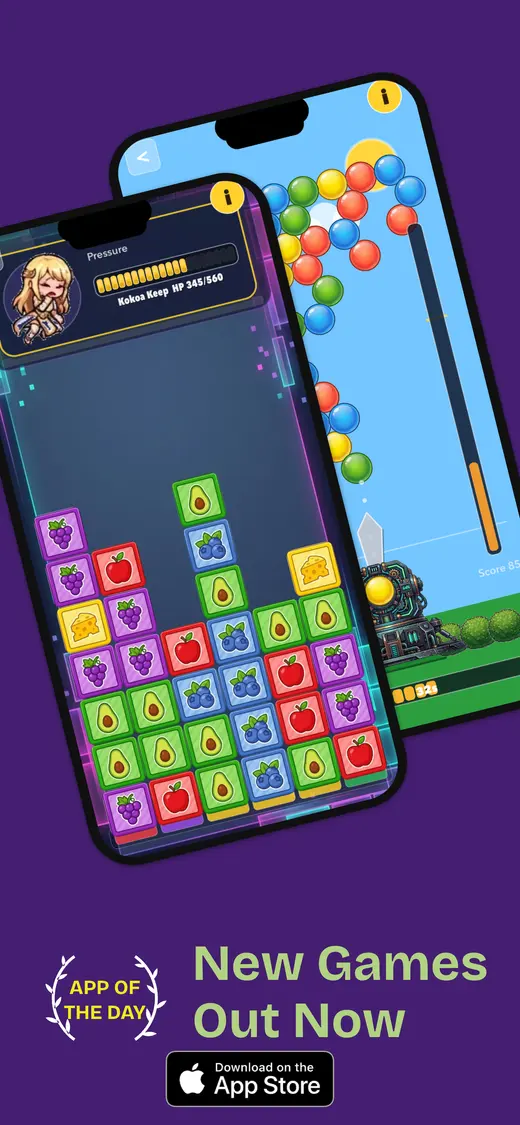
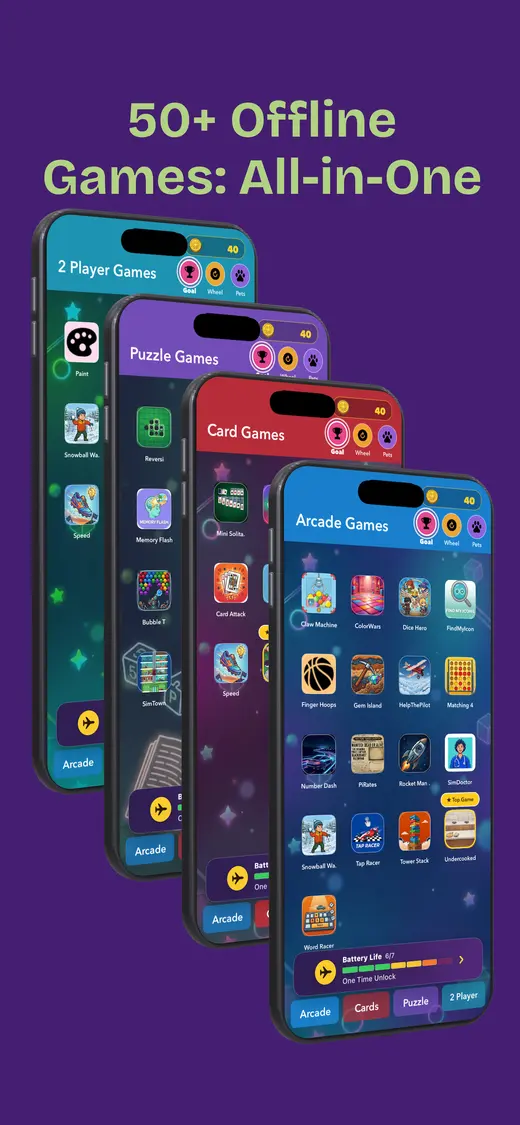
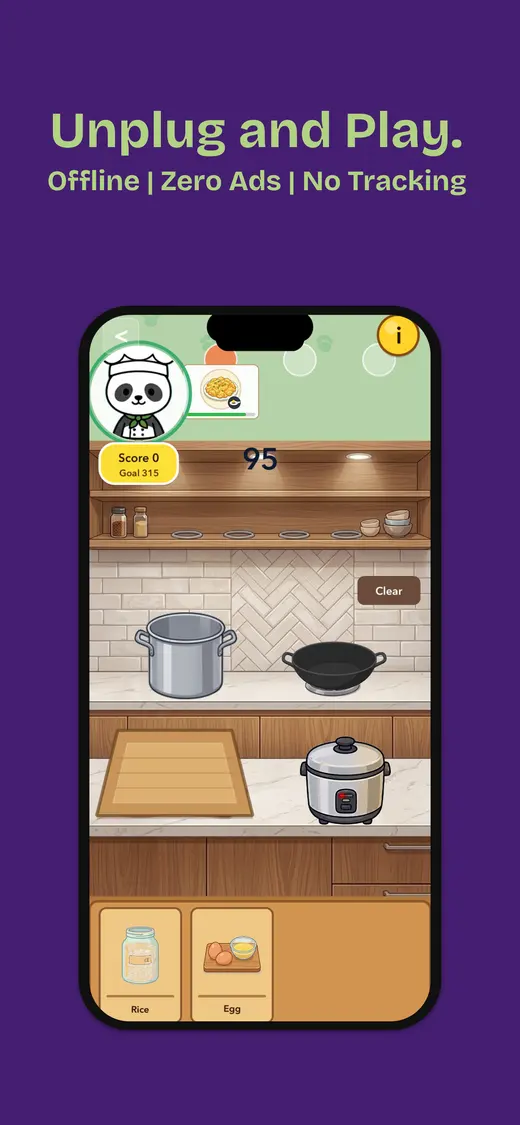
Fun Games for Flights collects short games for the moments when you want an activity, not another obligation. Choose a solo puzzle, a card game, a quick reflex challenge, or something to share on one phone.
The current App Store listing says the collection works offline after installation and contains no ads. Check the listing for the latest compatibility and purchase details before downloading.
- No ads
- Offline after installation
- Short, separate games
- Solo and shared play
Choose games that respect your time
If you want something absorbing without a persistent schedule, start with games built around complete rounds. Look for offline play, transparent pricing, no required streak, no pressure to protect a base, and a clear point where a session ends.
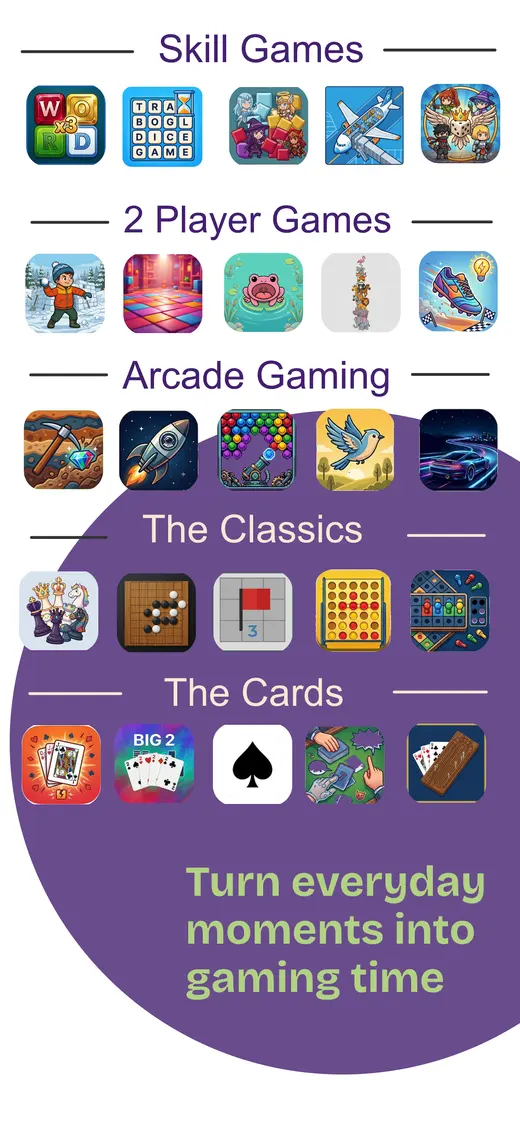
That is where our own app, Fun Games for Flights, fits. It is an iPhone collection of short card, word, number, trivia, memory, reflex, and shared mini games. The current App Store listing says it works offline after installation and contains no ads. It is free to download with in-app purchases, rated 9+, and requires iOS 26.5 or later.
It is not “anti-fun” software. The point is simply to make the next game available without asking you to maintain a virtual life between sessions. You can play, finish a round, and put the phone down before the app starts writing your evening itinerary.
Compelling is good. Trapped is not.
The best addicting mobile games do not need to hide the terms of the relationship. They give you a system worth learning, feedback worth following, and a satisfying reason to return. When you leave, they are still there.
If a game needs anxiety, unclear odds, endless timers, and a notification parade to keep you present, the problem is not that you lack discipline. The design is doing a lot of the work.
Choose the games that make you want another round because the round was good. That is a habit worth keeping.
Common questions
Before you download another loop
What makes a mobile game addicting?
A mobile game can become hard to put down when short-term rewards, clear progress, variable rewards, social pressure, and regular reminders combine. The word is often used casually; it does not by itself diagnose a clinical disorder.
Are addicting mobile games always bad?
No. A compelling game can be absorbing because its controls, challenge, story, or decisions are satisfying. The warning sign is when the game relies on pressure, punishment, spending prompts, or loss of control rather than enjoyable play.
Why do mobile games give daily rewards?
Daily rewards create a reason to return on a schedule. That can make a game feel lively, but streaks and expiring rewards can also make missing a day feel like losing progress.
How can I stop playing a mobile game when I want to?
Turn off notifications, remove the game from the first home screen, set a clear stopping point before a session, avoid spending to recover lost progress, and take a short break. If gaming is disrupting sleep, work, relationships, or finances, consider speaking with a health professional.
What is a healthier alternative to always-online mobile games?
Choose games with self-contained rounds, transparent costs, no required daily schedule, and an offline mode that works after installation. Fun Games for Flights is our iPhone collection of short card, word, number, trivia, memory, reflex, and shared mini games.
For the time you actually have