Mobile games explained• 9 min read
Dark patterns for mobile games
Some games entertain you. Others quietly rearrange the buttons until “buy now” feels like the only sensible answer.

The short answer
Dark patterns for mobile games are design choices that steer players toward spending, watching, returning, or sharing more than they intended. Look for hidden prices, fake urgency, confusing virtual currencies, forced or disguised ads, difficult-to-decline offers, and progress that is deliberately painful without payment.
A game can persuade players while keeping its terms clear. The interface becomes deceptive when the profitable choice is easier to understand than the player’s choice.
The term covers more than loot boxes. A countdown that resets every day, a tiny close button beside a large purchase button, or a shop that never tells you the real price can all change how a player decides.
These checks can help you choose games that respect your time and money.
What are dark patterns in mobile games?
Dark patterns are interface or system choices that push people toward an outcome they may not have chosen with clear information and a genuinely easy alternative. In games, the outcome may be a purchase, a longer session, a daily return, an ad view, or permission to collect more data.
Sales, rewards, timers, and subscriptions can be fair when the terms are visible and the player can decline. A clearly priced expansion gives different information from a shop that uses three currencies to hide the price. An optional rewarded video gives a different choice from an ad button disguised as the control for closing a pop-up.
The Federal Trade Commission’s Fortnite case described dark patterns as part of the alleged design that led to unwanted in-game purchases. The FTC has also raised concerns about unclear costs and odds in its 2025 Genshin Impact settlement. The interface around a transaction affects how a player understands the item and the decision.
Common dark patterns for mobile games
Virtual currency that hides the price
Gems, crystals, coins, tickets, and tokens add a layer between the player and real money. The exchange needs to be obvious. Warning signs include bundles that do not match item prices, leftover currency that is unavoidable, and a shop that makes you calculate the cost while the purchase button shouts “best value.”
Artificial urgency
Limited-time banners and countdowns can make an ordinary offer feel like a last chance. A genuine event has a defined end. A shop that repeatedly brings back the same “ending soon” deal is manufacturing pressure and presenting it as scarcity.
Progress blocked by design
Timers, energy systems, lives, and grinding can be ordinary pacing tools. The pattern turns dark when the wait is placed directly in front of a paid skip, the free route is made needlessly frustrating, or the game repeatedly reminds you that payment would solve the irritation it created.
Random rewards with unclear odds
Loot boxes and gacha pulls sell a chance at an item. The player should be able to tell what the purchase costs, what the possible outcomes are, and whether the item changes competitive power. The FTC’s loot-box workshop materials discuss randomized rewards and appointment dynamics such as daily bonuses that use loss aversion to pull players back.
Buttons that make “no” hard to find
Large, bright purchase buttons beside tiny close controls, guilt-heavy copy, repeated pop-ups, and a changed button position can all make declining an offer harder than accepting it. Visual tricks around a voluntary purchase reveal the business model.
Misleading ads and disguised controls
Misleading game ads create a gap between what the player expects and what the download contains. I have downloaded games after seeing puzzle ads that turned out to be energy-gated chores. The download was free; the wasted time was not.
Why these patterns work
Dark patterns borrow from familiar human habits. A countdown creates urgency. A streak makes skipping feel like losing progress. A near-win makes another attempt feel sensible. A bundle of virtual currency makes the real price less immediate.
Mobile games can intensify those effects because the device is always nearby and sessions are easy to restart. Research in JAMA Network Open found manipulative design features across apps used by children, including pressure to return, grinding, and purchases that avoid tedious tasks. The study covers children’s apps broadly. Design details deserve attention when a child is using the device.
Games need a business model. Check whether you can see the price, understand the chance, decline without punishment, and stop playing without losing something you paid for.
How to spot dark patterns before they cost you
- Read the purchase list. Look for subscriptions, consumables, virtual currency, randomized items, and paid ad removal.
- Translate the currency. Work out the real cost of the smallest bundle that buys the item. Include leftover currency in your mental price.
- Wait out the timer. If an offer returns after the countdown, the countdown created pressure.
- Try the free route. See whether the game remains enjoyable without buying skips, lives, boosts, or passes.
- Find the exit. Close the first few offers without tapping the wrong button. Confusing exits are useful information.
- Check the odds. A random reward should identify that it is random and explain the probabilities where the player can find them.
- Use purchase controls. For children, require approval or a password and review purchases together. The FTC’s advice for families explains why linked payment methods deserve attention.
For a travel game, add one more test: put the device in airplane mode. A short, offline game with a clear cost is often a better fit for a flight than a free game that needs a connection, a login, and five pop-ups before the first round.
Our app · Fun Games for Flights
A simpler model for short play.
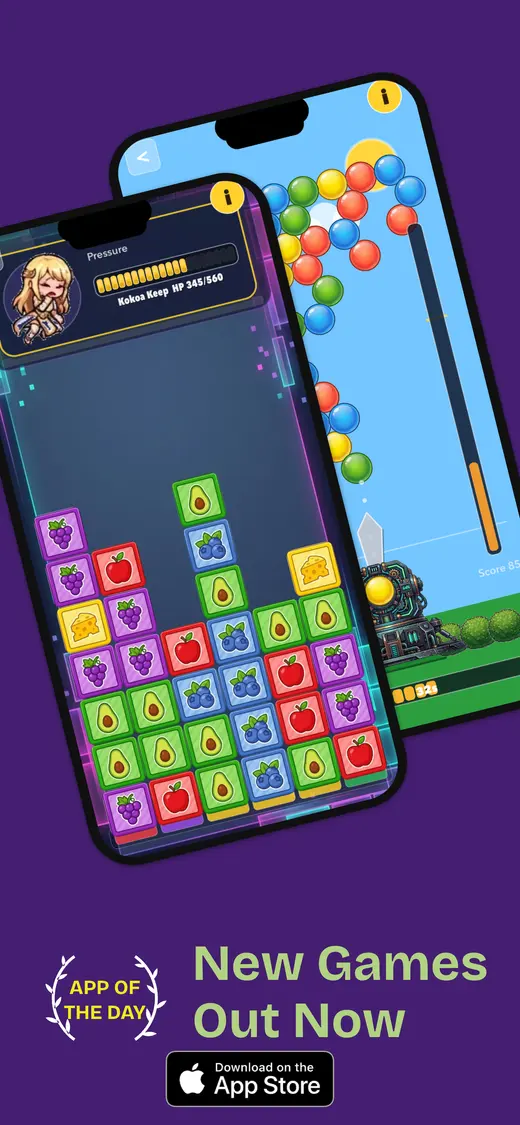
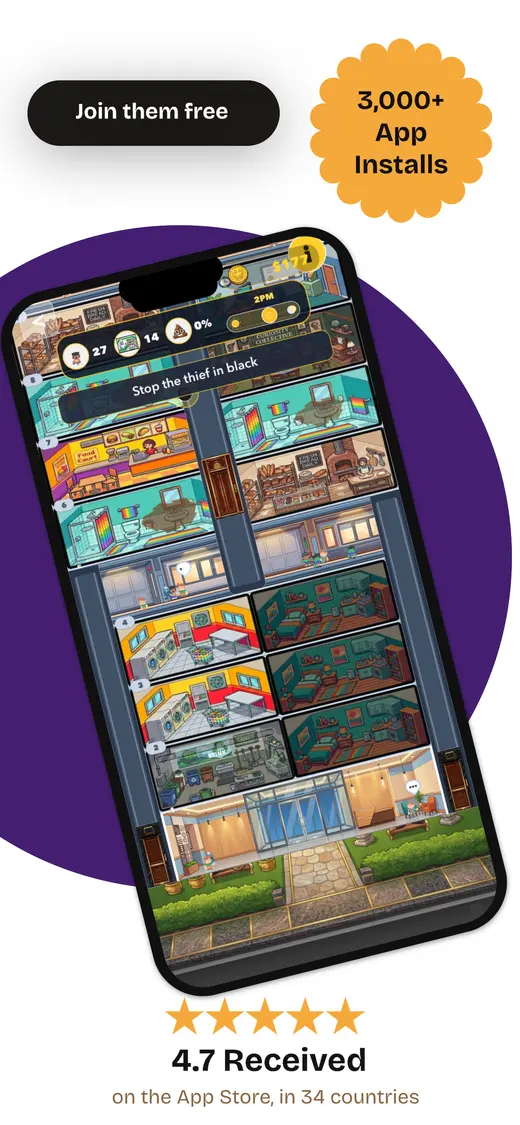
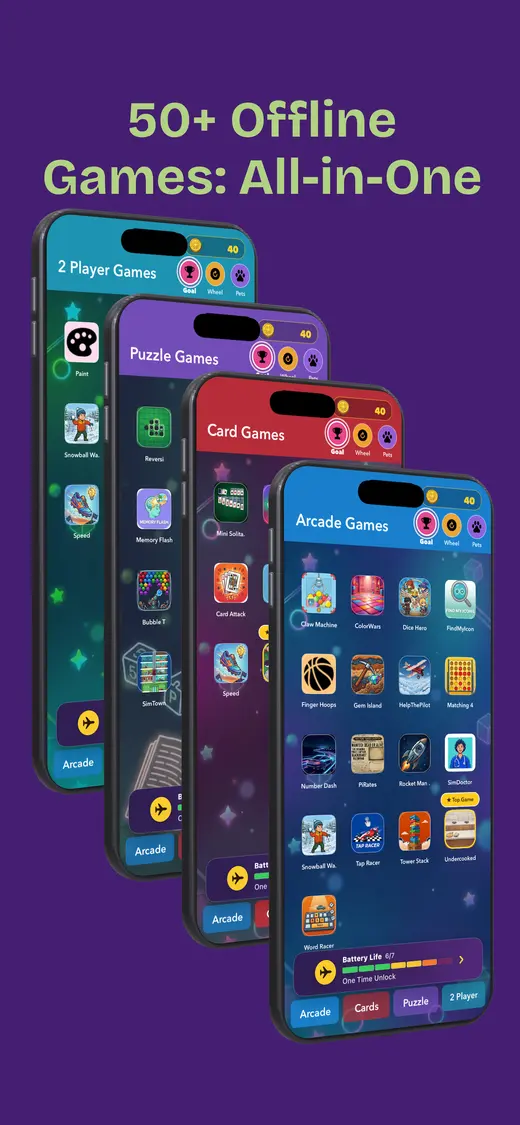
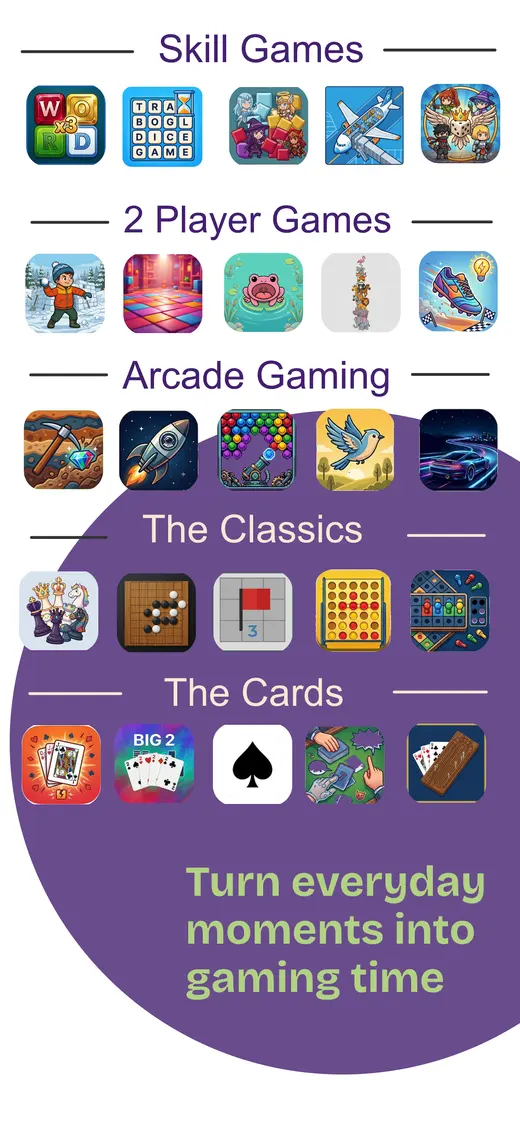
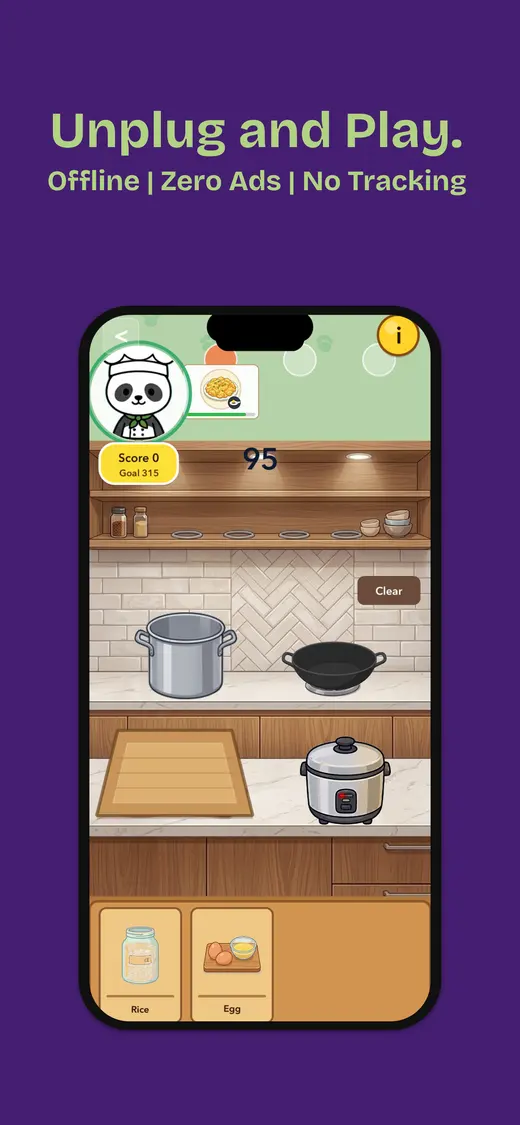
If you want a quick game without an ad break, Fun Games for Flights is our iPhone collection of simple offline games. Its App Store listing describes card, word, number, trivia, memory, reflex, pass-and-play, and family-friendly mini games.
The listing shows a free download with optional in-app purchases. Read the current listing and decide whether the collection fits you.
- Offline games after installation
- Cards, words, numbers, and trivia
- Memory and reflex challenges
- Pass-and-play options
Games should earn your time honestly
Use dark patterns for mobile games as a practical check. A game that shows the price, explains the odds, lets you decline, and keeps progress playable without constant spending gives you enough information to decide whether it is worth your time.
A design that hides the cost, manufactures urgency, and makes the exit awkward deserves caution. You are noticing the business model.
Common questions
Dark patterns, answered
What is a dark pattern in a mobile game?
A dark pattern is a design choice that steers a player toward an action that benefits the developer, often by hiding information, adding pressure, or making the alternative harder to choose. The key questions are whether the price and terms are clear and whether the player can decline without confusion or punishment.
Are loot boxes dark patterns?
A loot box can be a dark pattern when the price, odds, or likely total cost are obscured, or when urgency and repeated prompts pressure a player to buy. A clearly labelled random reward with understandable odds is a different design question from a purchase flow that hides what the player is paying for.
How can I avoid manipulative mobile games?
Check the store listing for in-app purchases, look for subscriptions and virtual currencies, and notice how the first session feels. Be cautious when a game repeatedly interrupts play, uses countdowns for ordinary offers, makes progress painfully slow without payment, or makes the no-purchase choice difficult to find.
Do dark patterns only appear in free games?
No. Free-to-play games use them often because they need another revenue source, but paid games and apps can also use pressure, confusing menus, or recurring billing. The useful question is whether the design makes a choice less clear or less voluntary.
Can parents reduce purchase pressure in mobile games?
Yes. Use device purchase controls, require a password or approval, review the game’s purchase list together, and explain the difference between a named item and a random reward. A child-friendly game should not rely on a child understanding a complicated virtual-currency exchange rate.
Play on your terms