Word games explained• 9 min read
Types of word puzzle games, explained
Crosswords, anagrams, ladders, searches, and the other ways letters can make a perfectly respectable afternoon disappear.
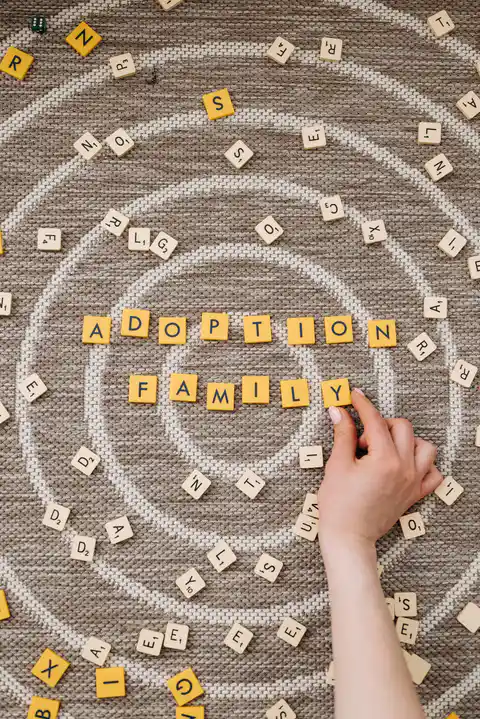
The short answer
Types of word puzzle games differ mainly in what the player does with language: find hidden words, solve clues, rearrange letters, change one letter at a time, decode a message, build words from a letter set, or group words by meaning. Word searches are usually the easiest entry point; crosswords and cryptograms ask for more vocabulary; anagrams and ladders reward flexible letter thinking; and modern daily puzzles combine deduction with a short, repeatable format.
A word puzzle is a small machine for making language misbehave.
Sometimes the answer is hidden in plain sight. Sometimes the letters are all there but have been shuffled like socks after laundry day. Sometimes the clue is doing two jobs at once and expects you to notice.
The useful way to understand the genre is not to memorise a long list of names. It is to look at the central action: are you searching, recalling, transforming, decoding, or connecting? That tells you what kind of puzzle will feel satisfying rather than like an unpaid vocabulary exam.
The main types of word puzzle games
The categories overlap. A cryptic crossword contains anagrams; a word-building game can become a timed reflex challenge; a rebus may use pictures more heavily than letters. Still, the families below are useful because each one creates a different kind of difficulty.
The dictionary definition of a word puzzle is broad enough to include games that test knowledge, spelling, association, or manipulation. The better question is what sort of work your brain is being asked to do.
Searching, clues, and hidden structure
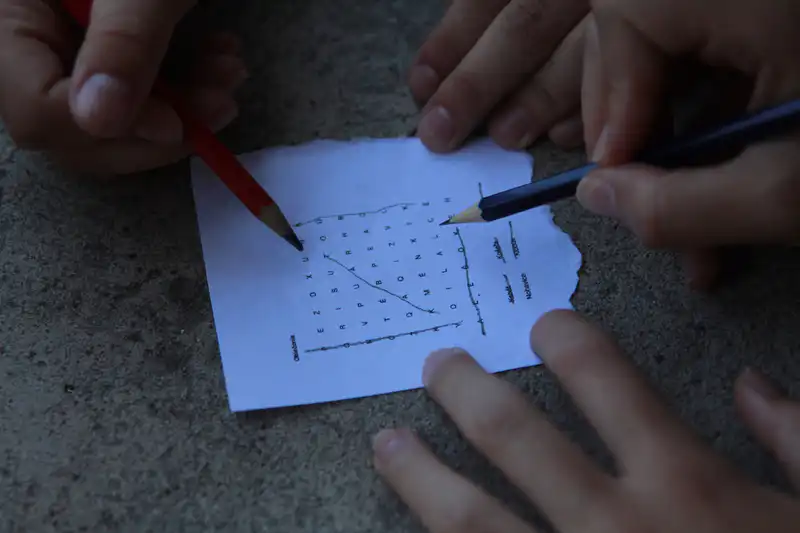
Word searches give you a grid and a list of target words. You scan horizontally, vertically, diagonally, and sometimes backwards. They are approachable because the vocabulary is supplied, while difficulty can still rise through grid size, reversed words, visual clutter, and themes. They work particularly well when you want a quiet puzzle with no penalty for taking your time.
Crosswords replace the word list with clues. Answers cross each other, so a letter earned from one clue can unlock another. That makes a crossword a conversation between vocabulary and constraint: you do not need to know every answer immediately if the grid gives you enough footholds. The Merriam-Webster definition of crossword puzzle captures the basic interlocking structure, but the experience ranges from a tiny beginner grid to a clue that appears to have been written by a very polite sphinx.
Acrostics and double-crostics add a second layer. You solve clues, then use selected letters from the answers to reveal a quotation or phrase. The pleasure comes from having two partial puzzles confirm each other.
Cryptograms hide a message through letter substitution. Repeated symbols, short words, and common letter patterns become evidence. A cryptogram is less about knowing a fact than building a case. It is a small detective story in which the suspect is the letter E.
Transforming and building words
Anagrams ask you to rearrange every letter to make a new word or phrase. LISTEN becomes SILENT. The rules are simple, but the search space is slippery: one plausible word can distract you from the answer sitting one letter away. The word’s dictionary definition is exactly that rearrangement, which is why an anagram feels like a language-based version of turning a combination lock.
Word ladders change one letter at a time, with every intermediate step remaining a valid word. CAT can become COT, then COG, then DOG. Ladders reward planning because a word that looks close may leave no legal bridge to the destination. They are good for short sessions and surprisingly good at making “one more” sound like a reasonable promise.
Word-building games give you a rack, grid, or pool of letters and ask you to create words for points or to satisfy a target. Scrabble-style play adds scoring and sometimes a shared board; Boggle-style play adds adjacency and time pressure. These games test vocabulary, but also board awareness, risk, and the ability to stop playing a perfectly good word because a better one might fit.
Rebuses use pictures, letters, symbols, or spatial arrangement to represent a word or phrase. They sit at the border between word puzzle and visual riddle, which is precisely why they can feel obvious five seconds after being impossible.
Modern daily puzzles turn deduction into a routine
Guess-and-feedback puzzles such as Wordle use limited attempts and coloured information to narrow a hidden word. The vocabulary is usually familiar; the interesting part is choosing guesses that reveal useful letters without wasting the attempts you have left.
Grouping puzzles ask you to sort a set of words into categories. They test semantic association rather than spelling alone, and the trap is often that one word seems to belong in two groups. The puzzle is not just finding a connection. It is finding four connections that can coexist without leaving a suspicious orphan on the table.
Open-ended letter puzzles such as a seven-letter word hive sit between word-building and vocabulary recall. You can keep finding words after the minimum target, which makes them suitable for players who prefer a gentle loop to a single correct finish.
These modern formats are popular because they make the session easy to understand: one grid, one rule, one small result to share. They are not necessarily simpler than a crossword. They are simply better at explaining the first move.
Choose a word puzzle by the kind of attention you have
The best type of word puzzle depends less on intelligence than on the shape of the moment. A crossword is a poor choice when you have two minutes and no patience for a clue about a 15th-century monarch. A word search is a good choice when you want to settle your attention without being tested on trivia.
- Want a gentle visual scan? Start with a word search or a simple hidden-word grid.
- Want vocabulary and general knowledge? Try a crossword, acrostic, or clue-based word game.
- Want a quick aha moment? Choose an anagram, short word ladder, or small daily deduction puzzle.
- Want methodical detective work? A cryptogram or cryptic crossword gives you patterns to test.
- Want shared play? Use word-building, category grouping, or a pass-and-play word game where each person can defend a questionable answer.
- Want offline travel play? Prefer a self-contained puzzle library and verify it in airplane mode before the journey. “The store page loaded” is not an offline test.
There is no virtue in choosing the hardest format available. A puzzle should give your attention somewhere useful to go, not make a quiet airport gate feel like an oral exam.
Our app · Fun Games for Flights
A small library beats guessing the mood.
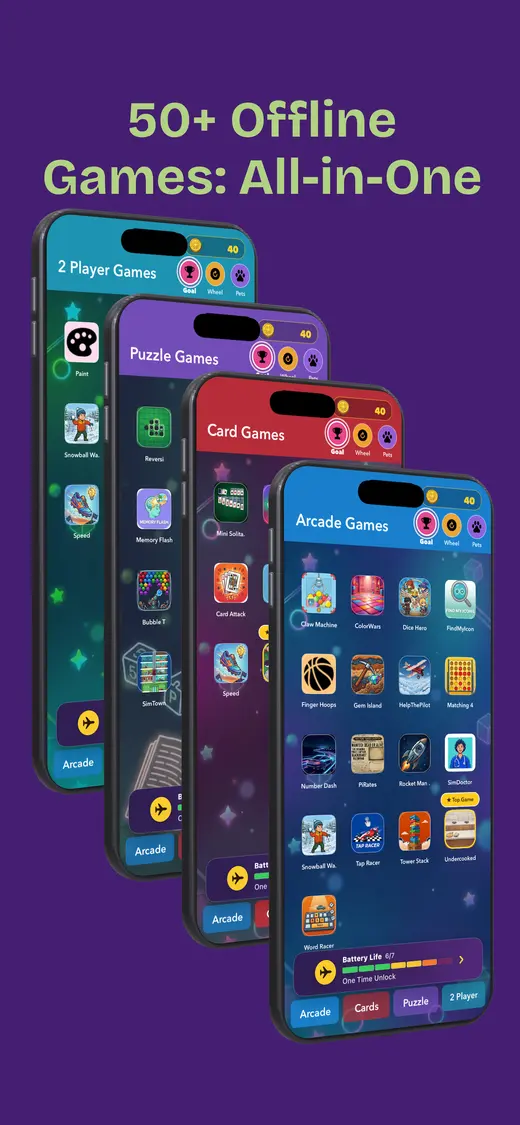
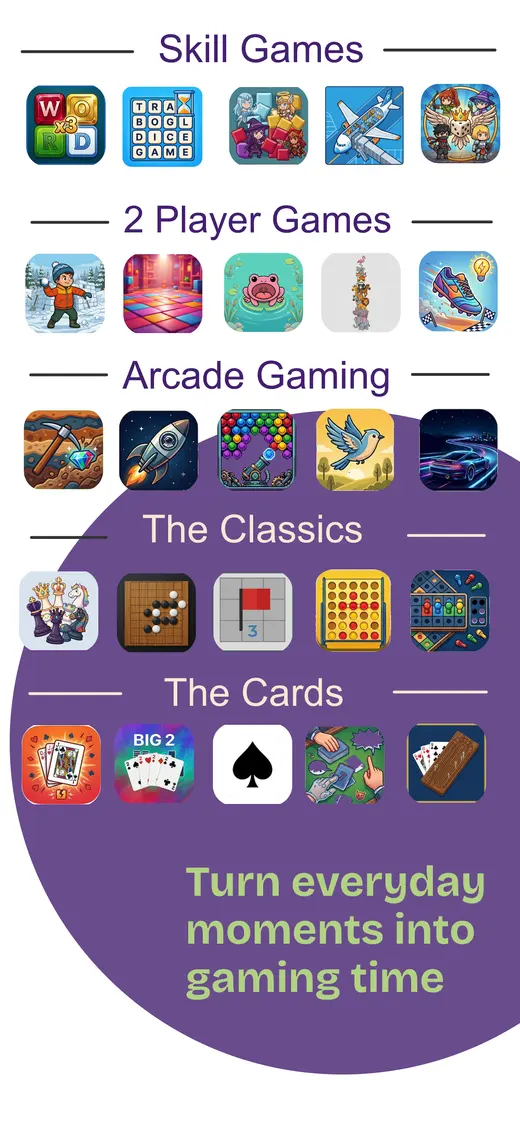
When travel downtime changes shape, one word puzzle may not be enough. Fun Games for Flights is our iPhone app, with word games alongside card games, number puzzles, trivia, memory, reflex, pass-and-play, and family-friendly mini games.
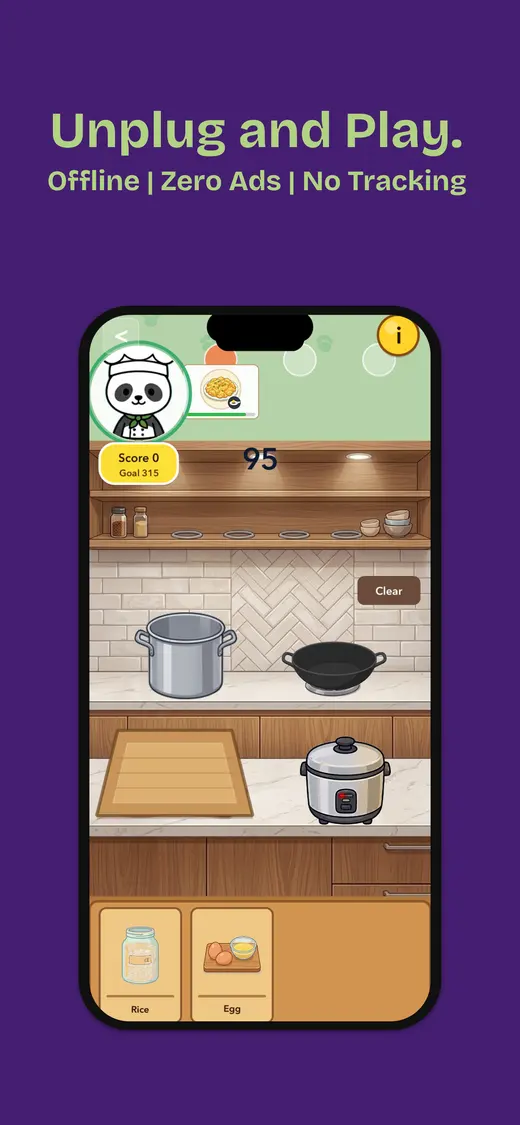
The current App Store listing says the collection works without internet after installation and contains no ads. It is free with optional in-app purchases. That makes it a useful fit when you want to move from a quiet word puzzle to something shared without downloading a new app at the gate.
- Word and puzzle games
- Works offline after installation
- No ads
- Solo and shared mini games
The useful category is the one you will actually open
Word puzzle games are not one skill in several costumes. A word search asks you to notice. A crossword asks you to retrieve. An anagram asks you to rearrange. A cryptogram asks you to infer. A grouping puzzle asks you to decide what belongs together and what is trying to look helpful.
That is why a mixed collection can be more practical than a single favourite. You can choose the puzzle that matches your energy, time, language confidence, and whether someone beside you wants a turn. The letters are the same basic material. The experience is not.
For a flight, queue, or slow afternoon, begin with the format that makes the next five minutes better. The dictionary can wait. It has been waiting for centuries.
Common questions
Types of word puzzle games FAQ
What are the main types of word puzzle games?
The main families include word searches, crosswords, anagrams, word ladders, cryptograms, acrostics, rebuses, word-building games, and modern deduction formats such as Wordle and category-grouping puzzles.
What is the easiest word puzzle for beginners?
A word search is usually the gentlest starting point because the target words are supplied and the player can scan rather than generate answers. Simple anagrams and short word ladders are also approachable.
What is the difference between an anagram and a word ladder?
An anagram rearranges all the letters of a word or phrase to make another word or phrase. A word ladder changes one letter at a time, with every step producing a valid word.
Which word puzzles work well on a phone without internet?
Self-contained word searches, anagrams, word ladders, and short vocabulary or clue games are good candidates, but the exact app needs testing. Install it, open a puzzle, disable Wi-Fi and cellular data, force-quit, and complete another round.
Does Fun Games for Flights include word puzzles?
Yes. Fun Games for Flights is our iPhone app, and its current App Store listing describes a collection that includes word games alongside card games, number puzzles, trivia, memory, reflex, pass-and-play, and family-friendly mini games. It says no internet is needed after installation and contains no ads.
Find the right kind of stuck