Mobile games explained• 10 min read
Worst pay-to-win gacha games: what makes them feel unfair
The problem is not simply randomness. It is what the randomness buys, how urgently it is sold, and who gets to compete without paying.

The short answer
The worst pay-to-win gacha games combine random paid pulls with gameplay power, low odds, expensive or unclear guarantees, limited-time banners, and competition against players who can keep buying attempts. Gacha itself is not automatically pay to win. The useful test is whether spending changes the contest and whether the free route remains realistic.
A capsule toy is one thing. A capsule toy that decides who gets to bring a sword to the match is another.
“Worst” is subjective, so a useful explainer needs a better standard than a list of games someone disliked. We can judge the design instead: what is random, what is powerful, what is time-limited, and how much pressure sits between the player and the next pull.
That distinction matters because a gacha game can be generous, beautiful, and genuinely fun while still making competition expensive. The bright art does not cancel out the maths. It merely gives the maths better lighting.
What pay-to-win gacha actually means
Gacha is a random-reward system. You spend a ticket or in-game currency, then receive an item from a pool with different rarity levels. The currency may be earned through play, purchased directly, or both. A pull can give you a character, weapon, card, upgrade material, or cosmetic.
Adjust's explanation of gacha mechanics describes the familiar loop: collect currency, pull from a banner, receive a reward, then use it to progress or collect. It also notes the important grey area: paying for quicker access to powerful rewards can blur fair progression and pay to win.
Pay to win is the second half of the definition. It describes a competitive effect, not a shop format. If a paid character hits harder, a paid weapon changes matchups, or duplicates turn into stats that free players cannot reasonably reach, the gacha system is selling power. A cosmetic pull may be random without being pay to win.
The question is not “Does this game have gacha?” It is “What does the best-paid outcome do when two players meet?”
How pulls, rarity, and banners work
Most systems use a banner: a themed pool of rewards available for a period. A banner might feature a new hero, a weapon, or a collection of limited items. The featured reward is usually desirable, rare, or both. The clock does some of the selling before the store does.
- Pulls. A single draw, wish, summon, or roll spends currency for a random result. Ten-pull bundles often promise a bonus or a better floor.
- Rarity tiers. Common items are easy to receive. The strongest or most fashionable items have much lower odds. The gap between “possible” and “probable” is where many players get surprised.
- Pity systems. After a stated number of unsuccessful pulls, the game guarantees a higher-rarity reward or a featured item. That adds predictability, but it also gives spending a finish line.
- Duplicate conversion. Extra copies may become shards, levels, or stat boosts. A first copy can unlock the character; several more may be where the competitive power begins.
None of these mechanics is automatically abusive. Together, they can make the player buy chances rather than a known product. That is a much harder bargain to evaluate than a direct price.

The mechanics that make a gacha game feel worst
The games players tend to describe as the worst are not merely expensive. They stack several kinds of pressure until the free route becomes a different game.
- Power locked behind chance. The strongest characters or equipment are available through random pulls, not a clear purchase or a dependable earnable path.
- Competitive power creep. New banners introduce stronger tools, so yesterday's spending stops being enough for today's ladder. The answer to falling behind is another banner.
- Duplicates that matter. One copy lets you participate; repeated copies unlock the stats that make the character competitive. The advertised prize is not the finished prize.
- Short banners and long waits. A powerful item appears for a weekend, then disappears. Missing it can mean waiting months or accepting a permanent gap in a competitive mode.
- Multiple currencies. When money becomes gems, gems become tickets, and tickets become pulls, the real cost is harder to feel. The shop is doing arithmetic on your behalf, and it is not a charitable accountant.
- Energy, stamina, or attempts tied to the race. Paying for more play is ordinary convenience in a solo game. In a shared ranking system, extra attempts can become an advantage.
WatchMojo's list of notorious pay-to-win examples uses familiar complaints: paid advantages, long grinds, loot boxes, and time skips. Its countdown is entertainment rather than a controlled review, but it reflects the pattern readers are usually trying to understand. The useful takeaway is to inspect the system, not borrow a stranger's ranking.
Odds, pity, and the real cost of a pull
Apple's App Review Guidelines require apps selling randomised virtual items to disclose the odds of receiving each type of item before purchase. That is useful information, but odds are only the beginning.
If a featured character has a 0.6% chance, one pull is not a 0.6% promise that you will get it. A pity system may guarantee a reward after 80 or 90 pulls, but you still need to know whether that guarantee is the featured item, whether it carries over, whether losing a 50/50 resets it, and what each pull costs in your region.
Write down the worst-case path before spending: the price of the currency bundle, the number of pulls needed for the guarantee, and whether duplicates are required for useful power. If the answer is difficult to calculate, that difficulty is part of the design. It does not prove bad faith, but it is a reason to slow down.
And do not confuse a published rate with a fair outcome. Transparency makes a gamble legible. It does not make the reward valuable, the competition even, or the spending pressure harmless.
How to assess a game before spending
You can make a reasonably good decision without ranking every gacha game on the internet. Ask six questions before the first purchase.
- What is the competition? Is the game solo, cooperative, casual PvP, or ranked? Paid power matters most when another player is on the other side of the result.
- Can I earn the same functional item? “Free to play” is not the same as “realistically obtainable without paying.” Check the time, event schedule, and drop route.
- What do duplicates do? If repeats add stats, the cost of entry is not the cost of competitiveness.
- What is guaranteed? Find the pity number, featured-item rules, carry-over rules, and whether pity uses the same currency as ordinary pulls.
- What happens when I skip this banner? A healthy collection game can let you miss an event. A pressure system makes absence feel like permanent failure.
- Can I close the shop? If a loss, countdown, notification, or expiring offer is trying to make the decision for you, leave the purchase screen and return later.
For children, use device purchase controls and review the game together. For adults, set a spending limit before the banner appears. The best time to decide what a game is worth is before the game has shown you the thing you suddenly “need.”
Our app · Fun Games for Flights
A different fit for short, self-contained play.
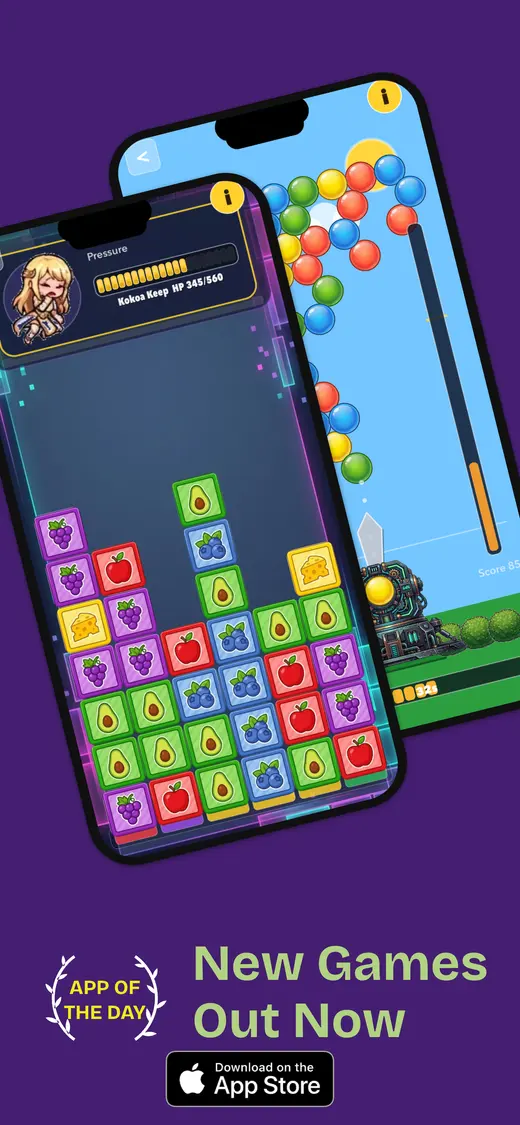
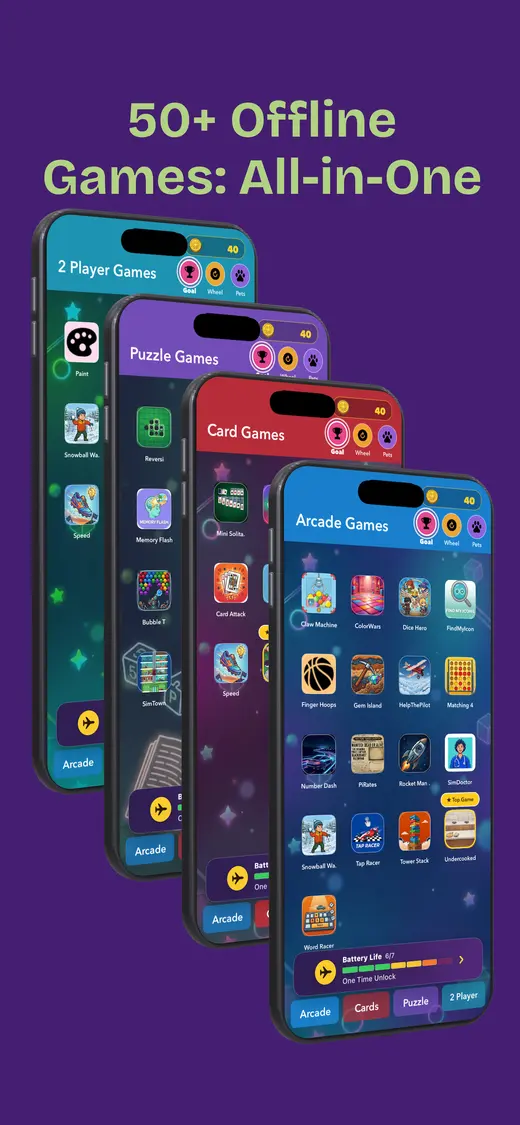
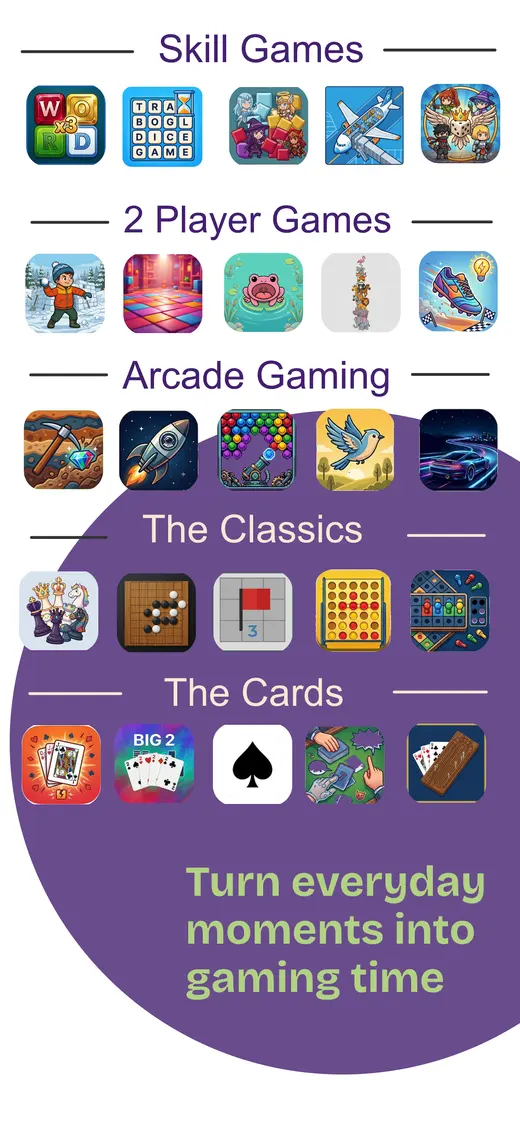
If you want entertainment without a competitive spending race, Fun Games for Flights is our iPhone app with short card, word, number, trivia, memory, reflex, pass-and-play, and family-friendly mini games.
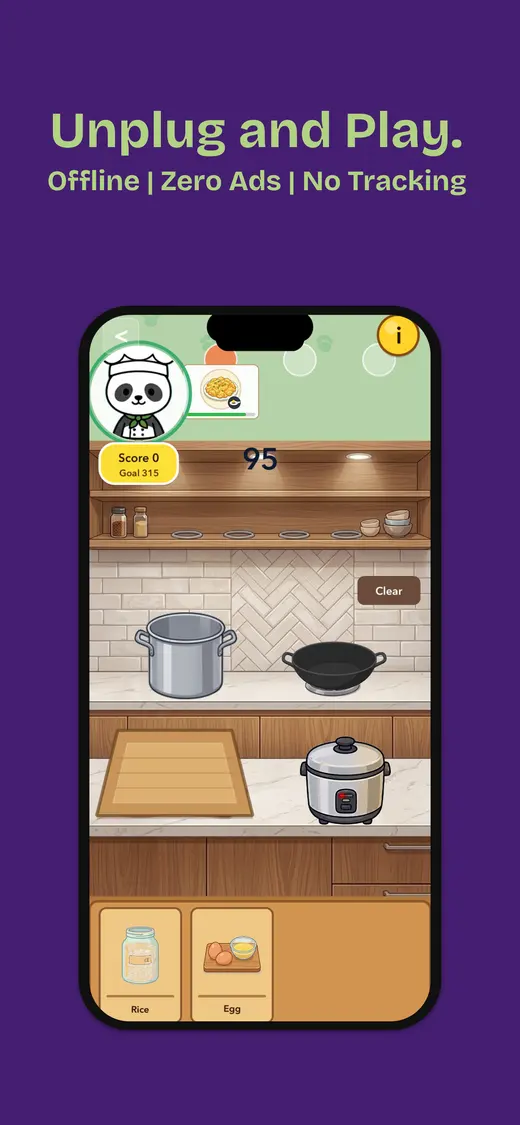
The current App Store listing says it works without internet after installation and contains no ads. It is free with optional in-app purchases, so the cost model still belongs in your decision.
- Short self-contained games
- Works offline after installation
- No ads
- Solo and shared play
Random does not have to mean unclear
Gacha can be a collection system, a progression system, or the main business model. “Worst” becomes a useful label when the game combines low-probability power with pressure, opaque cost, and a competition that rewards the biggest spender.
Read the odds. Find the guarantee. Check what duplicates do. Then ask whether the game is still worth your time when you decline the shop. If the answer is no, the problem is not that you failed to understand the system. You understood it perfectly.
Common questions
Before you pull again
What makes a gacha game pay to win?
A gacha game becomes pay to win when paid pulls, characters, equipment, or duplicate upgrades give players a meaningful advantage in competition. Random rewards alone do not prove pay to win; the important question is what the rewards do.
Are all gacha games bad?
No. Gacha is a random-reward system, not a complete quality judgement. A game can use random cosmetics or optional collection systems without selling competitive power. Look at the economy, the competition, and the pressure around spending.
What is a pity system?
A pity system guarantees a higher-rarity or featured reward after a stated number of unsuccessful pulls. It can make spending more predictable, but it does not automatically make the total cost low or the game fair.
Why are limited-time banners a problem?
A limited banner can create urgency by making a character or item available for a short period. The pressure is greater when the item is powerful, the odds are low, and missing the banner means waiting months or losing access entirely.
How can I avoid the worst pay-to-win mechanics?
Check whether money buys power, read the published odds, find the worst-case cost if a guarantee exists, separate solo progression from ranked competition, and avoid spending while a countdown or loss message is pushing you to decide.
For the time you actually have