Three-generation games• 11 min read
10 best board games for grandparents
Easy to teach, comfortable to handle, and interesting enough that nobody feels assigned to the children’s table.
The short answer
Our Fun Games for Flights app is a handy one-phone backup; the best physical board games for grandparents are Qwirkle, Ticket to Ride, Azul, Rummikub, Carcassonne, Sequence, Dixit, Codenames: Pictures, dominoes, and Forbidden Island. Start with the game your grandparent wants to play, then check the print, pieces, player count, and length against the people at tonight’s table.
The best game is not the one labelled “for seniors.” It is the one everyone can see, handle, understand, and still want to play again.
Most lists of board games for grandparents settle on the right broad idea: simple rules, short turns, and enough interaction for three generations to share the table. They rarely tell you what “simple” means. A game can have only four rules and still fail because the cards are tiny, every clue is spoken across a noisy room, or one player spends ten minutes rearranging pieces.
This guide adds those practical details. It includes modern board games, familiar tile games, team games, and one cooperative choice. Ages and play times are publisher estimates, not appointments. A first game usually runs longer, while a familiar family can finish before someone asks whether dessert counts as a strategic resource.
Choose the table first
How to choose board games for grandparents
Age is a poor shortcut. Match the game to vision, dexterity, hearing, experience, energy, and the number of people who are actually coming.Start with familiar decisions
Matching colours, building sets, drawing cards, and placing tiles are easier to teach than a game with several currencies, exceptions, and phases.
Check the physical pieces
Large print, high contrast, sturdy tiles, card holders, and a clear table can matter more than the age printed on the box.
Keep turns visible
Choose games where everyone can follow the board. Hidden information, rapid timers, and long silent turns can leave part of the table behind.
Match tonight’s energy
A 15-minute team game may be the right answer even when everyone normally enjoys deeper strategy. Stop while the game is still welcome.
Compare before game night
Board games for grandparents at a glance
Player counts and times refer to common current editions. Check the box in your country because publishers revise packaging and suggested ages.Ten welcoming choices
The best board games for grandparents and family
None requires a wall of hobby games or a two-hour rules lecture. The useful differences are printed right beside the recommendation.Qwirkle
The safest first modern game. Qwirkle uses chunky wooden tiles marked with six colours and six shapes. On a turn, you extend a line by matching either colour or shape, then count the tiles you touched. The rules feel familiar after one example, yet the board creates enough choices to keep repeat games interesting. It is particularly useful when grandchildren read at different levels because nobody needs a vocabulary advantage. Colour-vision differences may make some tiles harder to distinguish, so name both the colour and shape while teaching.
Players: 2–4 · Time: 30–60 min · Reading: None
Ticket to Ride
A relaxed family strategy game. Collect matching train cards, claim routes between cities, and try to complete the journeys on your tickets. Turns are short: draw cards, claim one route, or take new tickets. That rhythm gives everyone time to talk without losing the game state. The map and small route spaces demand decent vision, and holding many cards can be awkward. A card holder and brighter overhead light solve more than a second explanation of the rules ever will.
Players: 2–5 · Time: 30–60 min · Reading: Place names
Azul
Quiet play with tactile pieces. Azul is a drafting game about choosing patterned tiles and arranging them on a personal board. There is no text to read and very little hidden information. The pieces are pleasing to handle, turns are brief, and two players get the full puzzle without needing to assemble a crowd. It becomes sharper once players notice how one choice affects the next person, but a first game can stay gentle. Several tile patterns are close enough that strong, even lighting helps.
Players: 2–4 · Time: 30–45 min · Reading: None
Rummikub
Grandparents who already enjoy rummy. Rummikub turns the sets and runs of a card game into numbered tiles on racks. That familiarity makes it easier to introduce than a box covered in fantasy kingdoms and a rulebook with its own index. Players can add to existing groups or rearrange the table when every tile remains in a legal set. The standard numbers may still be small for low vision, so check the actual edition before buying rather than trusting the words ‘family game’ on the box.
Players: 2–4 · Time: About 30–60 min · Reading: Numbers only
Carcassonne
Building something together while competing. Each turn adds one landscape tile to a growing map of roads, cities, fields, and monasteries. A player may place one wooden follower to claim a feature and score when it is completed. The board tells a visible story, which gives children and grandparents something to discuss beyond points. Scoring farms is the fiddliest part. Leave that rule out of the first game, use the simple roads and cities, and add farms later if everyone wants more strategy.
Players: 2–5 · Time: 45–60 min · Reading: None
Sequence
Large family teams. Sequence combines a deck of playing cards with a board covered in matching card spaces. Play a card, place a chip, and try to create a line of five. Team play lets a grandparent and grandchild make progress together without turning the evening into a tutorial. The board is busy and the cards are small, so this is not the best low-vision choice. Seat players close to the board and let one teammate point out the matching spaces without choosing the move for them.
Players: 2–12 · Time: About 30 min · Reading: Card ranks
Dixit
Stories and conversation. Dixit gives every player a hand of large illustrated cards. One person offers a clue for a chosen picture; everyone else submits a card that might fit, then the group tries to identify the original. The pictures invite stories, memories, and wonderfully odd interpretations without testing who remembers the most trivia. Hearing differences matter because clues are spoken. Repeat every clue clearly and keep it written on a small notepad when that helps the table.
Players: 3–8 · Time: About 30 min · Reading: Almost none
Codenames: Pictures
Team play without a spelling test. Teams connect picture cards using one-word clues. The picture edition removes the wall of small printed words found in standard Codenames, although the surreal images still reward careful looking. A grandparent can join the discussion without learning a complicated turn structure, and younger players often see connections adults miss. Keep the grid smaller for the first round and allow a quiet moment after each clue; speed adds very little to this game.
Players: 4 or more · Time: 15–30 min · Reading: None during play
Double-Six Dominoes
Familiar rules and flexible pacing. A basic domino set is inexpensive, portable, and adaptable. Start with a simple draw game: match the number of pips at either end and draw when you cannot play. Large, high-contrast tiles are easier to see and grasp than standard travel sets. Dominoes also avoid the problem of asking a grandparent to learn an unfamiliar branded world before lunch. Choose a rule set together because families have been confidently disagreeing about the ‘proper’ version for generations.
Players: 2–4 · Time: 20–40 min · Reading: Pips only
Forbidden Island
A cooperative family challenge. Forbidden Island asks everyone to recover treasures and escape before a modular island sinks. Because the group wins or loses together, an experienced player can explain options without quietly steering a newcomer into last place. Adjustable difficulty lets the same box work for a cautious first game and a tenser rematch. The cards include text and icons, so read powers aloud, keep the water-level track visible, and avoid assigning one person the permanent job of remembering every rule.
Players: 2–4 · Time: About 30 min · Reading: Some card text
Keep every choice intact
Simple adaptations for a more comfortable game
Help with seeing, hearing, holding, and remembering. Do not remove a player’s decisions while trying to remove an obstacle.For low vision
Use bright, even light; remove patterned tablecloths; choose large-print cards or chunky tiles; and read card text aloud without making a production of it.
For limited dexterity
Add a card holder, shallow tray, or nonslip mat. Let another player move a piece after the choice is made. The decision belongs to the player, not the fingers.
For hearing differences
Face the person speaking, reduce background noise, repeat clues, and write key information. Team games work well when nobody has to catch one hurried sentence.
For memory changes
Use one-step turns, keep the goal visible, play cooperatively, and avoid correcting every small mistake. Familiar games are often a better starting point than ‘brain training.’
Our app · iPhone · Rated 9+
When the board is at home but the family is together.
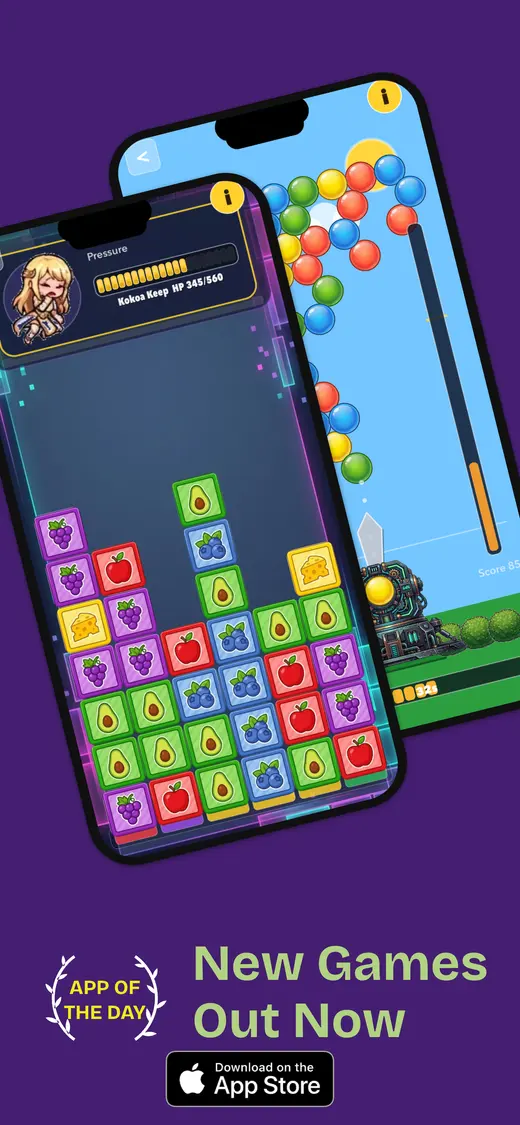
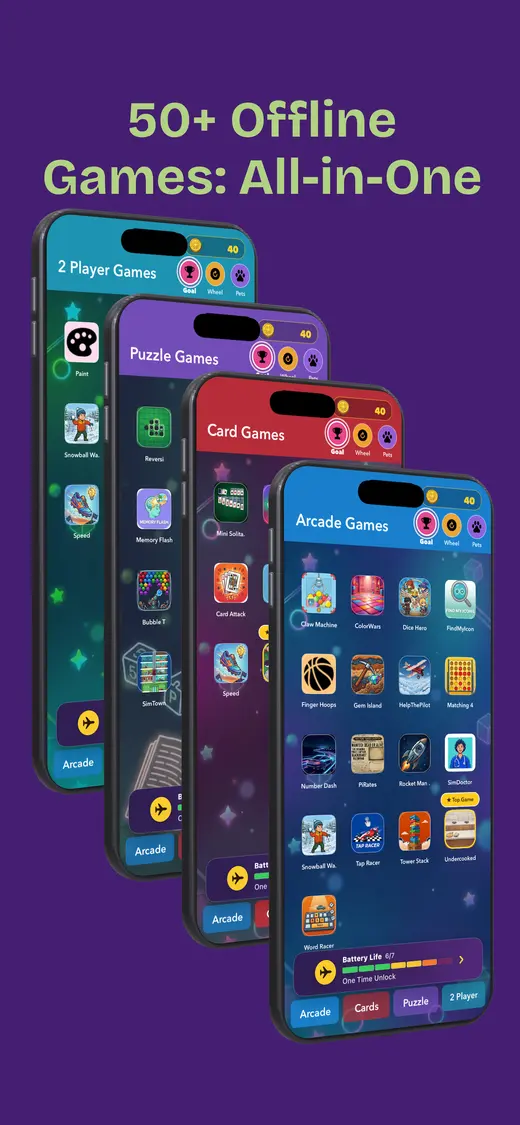
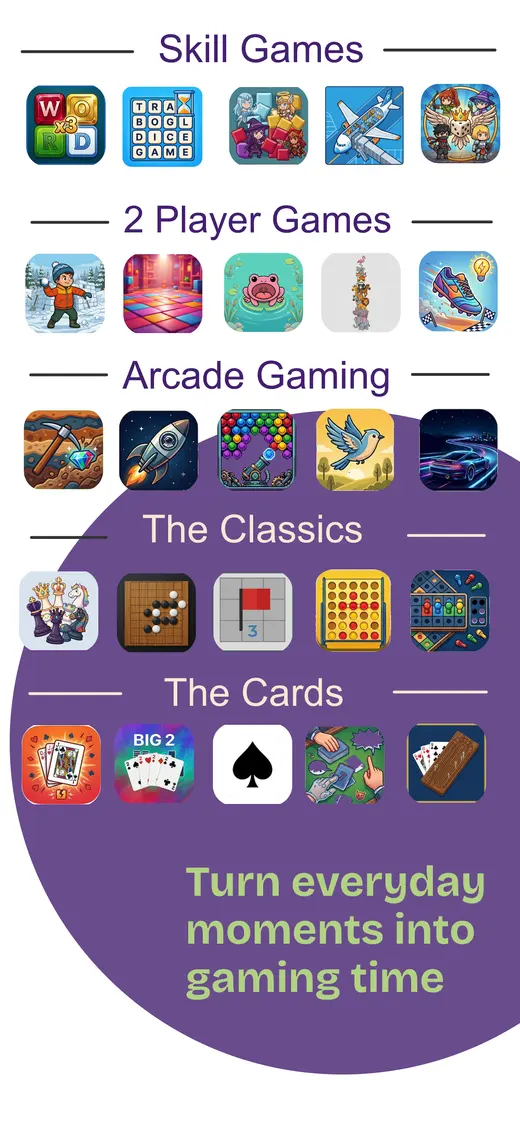
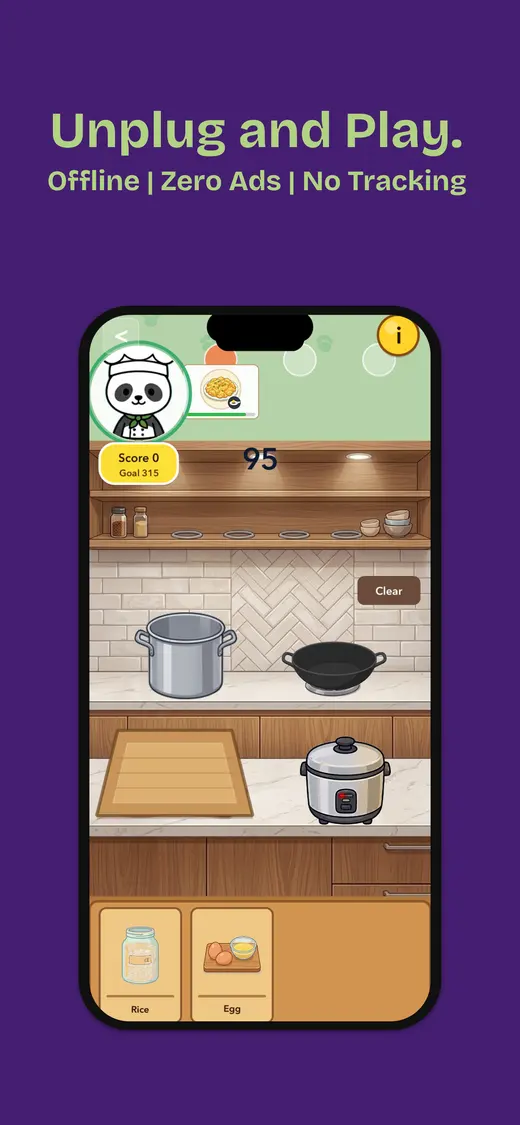
We built Fun Games for Flights as a no-ad collection that works offline after installation. It includes solo, two-player, and group games, including Go, Backgammon, Euchre, trivia, word games, memory challenges, and pass-and-play options. Apple currently lists it as designed for iPhone, requiring iOS 26.5 or later, with optional purchases and no data collected. It will not replace a proper table covered in tiles, but it can rescue a waiting room, restaurant, or family visit when nobody packed a box.
- Works offline after installation
- No ads
- Solo and shared games
- No data collected

People also ask
Board games for grandparents FAQ
Quick answers for two-player visits, young grandchildren, physical adaptations, and choosing without patronising anyone.What are the best board games for grandparents?
Qwirkle, Ticket to Ride, Azul, Rummikub, Carcassonne, Sequence, Dixit, Codenames: Pictures, dominoes, and Forbidden Island are strong choices. Pick by eyesight, dexterity, player count, and the time people actually want to spend playing.
What is the easiest board game to play with grandparents?
Qwirkle is an easy modern starting point because turns use matching colours and shapes and require no reading. Dominoes and Rummikub are often even easier when the rules are already familiar to the family.
What board games work for grandparents and young grandchildren?
Qwirkle, dominoes, Ticket to Ride: First Journey, and cooperative games with open information work well across age gaps. Avoid trivia that rewards one generation’s knowledge and games that require constant reading.
What are good two-player board games for grandparents?
Azul, Qwirkle, Rummikub, Carcassonne, dominoes, and Forbidden Island all work with two players. Azul is the quietest head-to-head puzzle, while Forbidden Island lets the pair work as a team.
How can I make a board game easier for an older adult?
Improve lighting, clear the table, provide card holders, read text aloud, remove optional rules, and teach through one sample turn. Ask what would help instead of assuming age alone tells you what someone can manage.
Are board games suitable for a grandparent with dementia?
They can be when the person enjoys them, but ability and preferences vary. Choose a familiar game with simple, visible steps; reduce pieces and rules; play as partners; and treat enjoyment as the goal. A caregiver or clinician who knows the person can suggest suitable adaptations.
A pocket backup for the next family visit.