Mobile games explained• 9 min read
How do social casinos make money?
Free chips bring people in. Virtual-currency sales, ads, subscriptions, and repeat play pay the bills.

Reviewed by Zulfu GarkarimovPublished Oct. 15, 2026 · Listing and source checks Oct. 15, 2026

The short answer
How do social casinos make money? Standard social casinos sell virtual coins or chips that have no cash value. They may also earn from ads, subscriptions, VIP passes, and paid promotions. A sweepstakes casino adds a promotional currency that can be redeemable for prizes, which creates a different cost and legal model.
The free part is the invitation. The coin store is the business.
Social casino apps use familiar casino formats such as slots, poker, blackjack, and roulette. You can download them without paying and receive free chips. When those chips run low, the app gives you several ways to keep playing.
That sentence explains the basic revenue model. The details matter because a non-redeemable social casino and a sweepstakes product may look similar while asking the operator to carry very different costs.
What a social casino sells
A standard social casino sells play inside a closed virtual economy. The player uses chips, coins, or credits to spin, deal, or enter a table. The balance may go up or down, but it cannot leave the game as cash.
The Australian Communications and Media Authority describes social casinos as casino-style games with no opportunity to withdraw winnings. Its report notes that these games are typically free to download, give players an initial supply of credits, and sell more credits through in-app purchases.
That makes the paid product easy to describe: the operator sells more time, more attempts, faster progression, or access to a larger set of tables. The player is buying a digital balance for entertainment, status, and continued play.
How do social casinos make money?
Most revenue comes from virtual-currency purchases. A player starts with free chips, spends them on games, then buys a package when the balance is low or a promotion makes the purchase feel timely. The 2025 annual report from DoubleDown Interactive says its social-casino games are free to play and generate revenue from players who voluntarily buy additional virtual chips.
Virtual coins and chip packages
Coin packages are the main sale. The store usually offers several amounts, with larger packages presenting more coins per dollar. The coins may buy spins, hands, entries, or extra time. They are not a withdrawal balance, and the operator does not owe the player a cash payout for unused chips.
Advertising
Ads let non-paying players contribute to the business. A rewarded video can exchange a few seconds of attention for coins or a bonus. Interstitials appear between activities, while banners stay on the screen. The ACMA report identifies in-app purchases and advertising as the two main monetisation variations in social casino games.
Subscriptions and VIP access
Some products sell a recurring pass with daily chips, early access, faster bonuses, or status benefits. A subscription turns a one-time player decision into a renewal question, so the price, billing interval, and cancellation path deserve a careful read.
Direct web stores and partnerships
Large operators may also sell currency through a web store, where payment costs and platform fees differ from an in-app purchase. Cross-promotions, branded tables, and offers for other products can add revenue without changing the basic coin loop.
Public-company figures show why the model focuses on repeat spending. DoubleDown reported that social-casino revenue came substantially from virtual chips in its filings, while a small subscription stream covered early access and bonus chips. Individual figures vary by company and period, but the structure is consistent.
Why free chips, streaks, and events matter
Free currency keeps the game active between purchases. A daily login bonus gives a reason to return, while a limited event gives the balance a deadline. Collectables, leaderboards, guilds, and VIP tiers make the account feel more complete as the player spends time in it.
The ACMA report lists subscriptions, collectables, limited-time events, battle passes, and guild mechanics among the systems used beside premium currency. These systems do not charge by themselves. They change how often a player opens the app and how visible the next purchase becomes.
Research into social casino spending has found that paying and non-paying players differ in motivations and purchase behaviour. A peer-reviewed study of social casino players examined who spends money on virtual currency and why. It is useful context for reading the business model: the free audience is large, while revenue depends on the people who choose to buy.
The operator does not need every player to pay. It needs a large enough audience, enough repeat visits, and enough purchases to cover content, advertising, payment, and platform costs.
Sweepstakes casinos use a second currency
A sweepstakes casino can look like a social casino on the surface, but the currency system changes the economics. The usual structure has Gold Coins for entertainment and Sweeps Coins or a similar promotional currency that may be redeemable for prizes after the platform’s conditions are met.
KPMG’s primer on sweepstakes gaming describes Gold Coins as the play currency and separates them from promotional coins that may be redeemed. The exact rules depend on the operator, country, state, eligibility, identity checks, and redemption terms.
Prize redemption adds a cost that a standard social casino does not carry. Operators have to account for promotional issuance, payouts, payment processing, fraud, support, and regulatory scrutiny. That is why the phrase “social casino” should not be treated as a complete description of every platform that uses casino-style graphics and free coins.
Read the currency terms before spending. Check which balance you are buying, whether it can be redeemed, the minimum redemption amount, playthrough rules, excluded locations, and what happens if the account is closed.
What players should check before spending
The store page tells you the download price and may list in-app purchases. The app’s terms explain what the coins do. You need both to understand the cost.
- Name the currency. Write down whether it is a non-redeemable play balance or a promotional balance with prize rules.
- Find the smallest useful purchase. A large bundle can make a low per-coin price look attractive while leaving money locked inside the app.
- Check renewal language. A VIP pass or subscription can bill again even when the original bonus has been used.
- Read the withdrawal conditions. If prizes are possible, look for identity checks, minimums, playthrough, location limits, and processing times.
- Set device purchase controls. Apple’s Screen Time guidance explains how to require approval for purchases and limit in-app spending.
- Separate entertainment from investment. Coins, prizes, and account status are not a reliable way to make money. Treat spending as entertainment money you can afford to lose.
Our guide to what pay to win means covers the related question of competitive power. For family devices, our guide to games with no in-app purchases gives a more specific purchase check.
Our app · Fun Games for Flights
A clear option for short play.
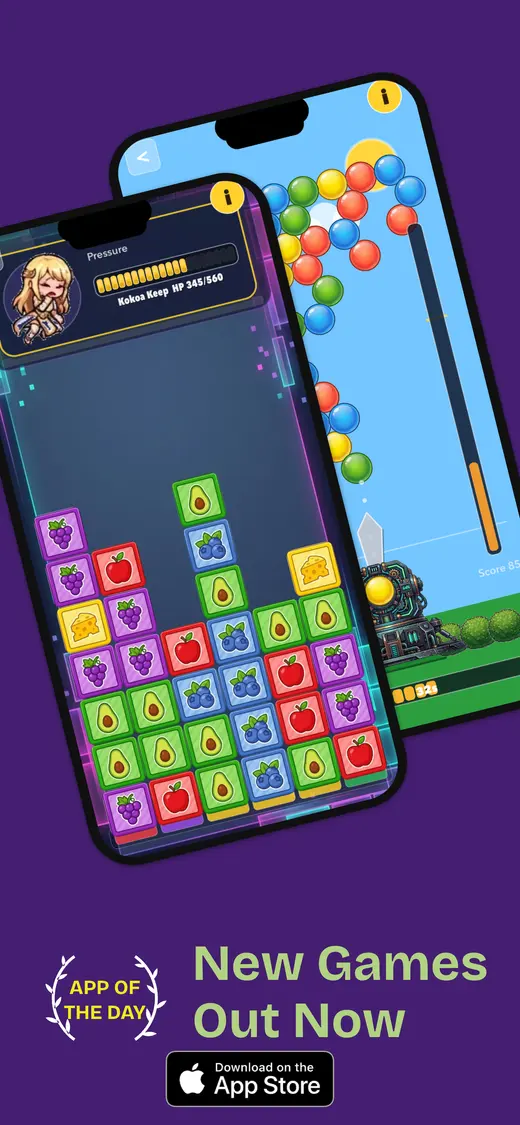
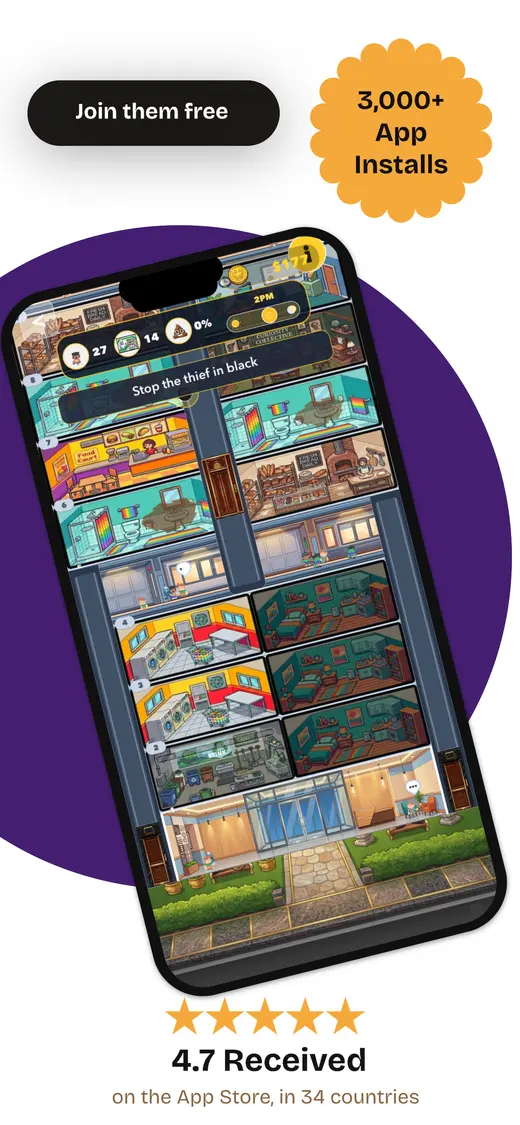
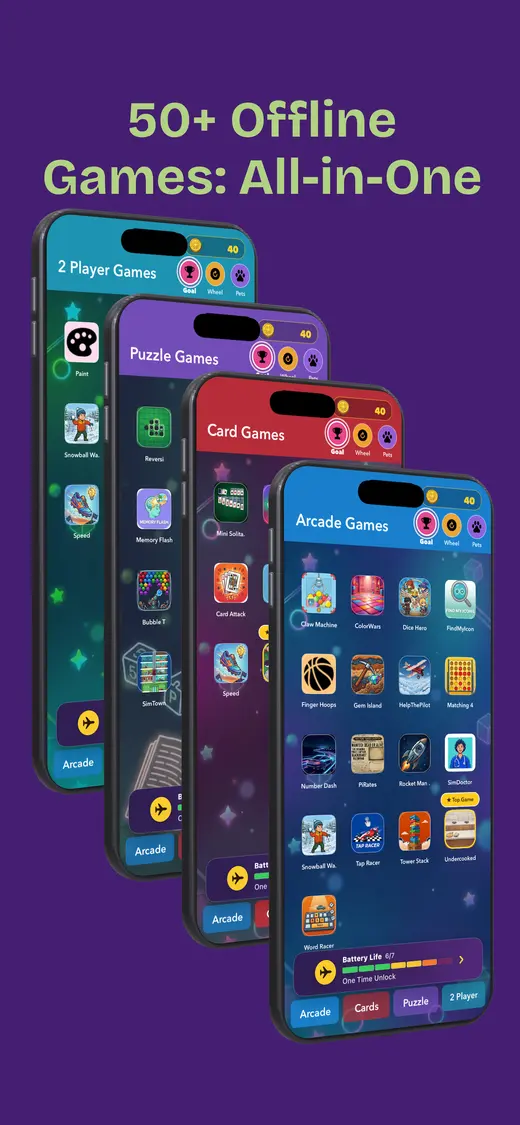
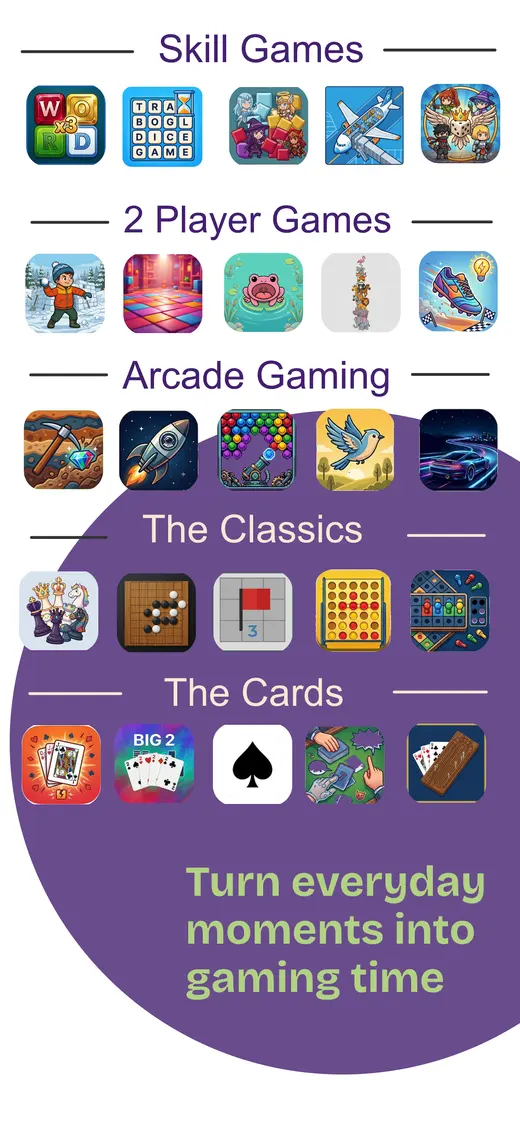
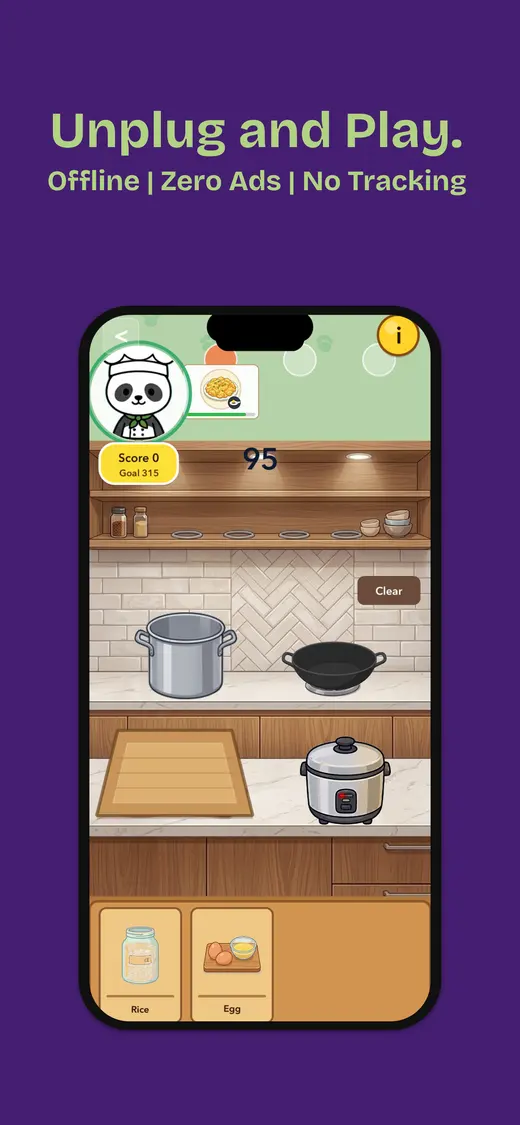
If you want a quick game without a casino economy, Fun Games for Flights is our iPhone collection of cards, words, number puzzles, trivia, memory, reflex, and pass-and-play games. The App Store listing says it works offline after installation and contains no ads.
The listing shows a free download with optional in-app purchases. It is a different model from a social casino: the app’s store describes games and optional access, not virtual chips, prize redemption, or a recurring VIP balance.
- No ads, according to listing
- Offline after installation
- Solo, two-player, and group play
- Free download with optional purchases
Common questions
Social-casino revenue, answered
How do social casinos make money if players cannot cash out?
They sell virtual coins, chips, or other in-game currency, and some also earn from advertising, subscriptions, and paid offers. Players buy more play or convenience; the coins in a standard social casino have no cash value.
What is the difference between a social casino and a sweepstakes casino?
A standard social casino uses non-redeemable play currency. A sweepstakes casino usually adds a second promotional currency that may be redeemable for prizes under its rules, eligibility limits, and verification requirements. The distinction changes the product’s costs and legal exposure.
Do social casinos make money from ads?
Many do. Rewarded videos, interstitials, banners, and cross-promotions can earn advertising revenue, especially from players who never buy virtual currency. The mix varies by product.
Why do social casinos give away free coins?
Free coins let people keep playing, learn the game, and return later. A small share of players may buy additional coins or a subscription, so the free audience can support paid activity without every player spending.
Are social casino purchases the same as gambling?
The answer depends on the product and jurisdiction. In a standard social casino, purchased coins cannot be withdrawn or redeemed. A sweepstakes product can add prize redemption and separate rules, so read the currency terms and eligibility conditions before spending.
Know the currency before you pay