Mobile games explained• 8 min read
How do mobile games make money?
A free download can earn revenue through ads, purchases, subscriptions, or several of them at once. Here is what each model asks from the player.

The short answer
How do mobile games make money? Developers earn through upfront download prices, advertising, in-app purchases, subscriptions, or a mix. A game marked free may still ask for payment inside the app, show ads, or sell recurring access. “Free to download” describes the first tap, not the full cost of playing.
The download button tells you what it costs to install. The game’s business model explains what may happen next.
Mobile games can be simple products with a clear price, or ongoing services that earn money across months of play. Both can be fair. The useful distinction is what the game charges for, when it asks, and whether the price stays understandable.
Here is how the main models work from the player’s side.
How mobile games make money: the main models
A game can use one revenue source or several. The same title may charge a download price, show optional ads, sell items, and offer a subscription. A label such as “free-to-play” describes access to the starting game, not every transaction around it.
Paid downloads collect the price before installation. The player sees a price upfront and usually gets access to the purchased game. Some paid games still sell additional content or upgrades, so check the store listing for in-app purchases.
Advertising lets players enter without paying a download price. Advertisers pay to show a message or get a response. The ad may be optional, such as a video exchanged for an extra attempt, or it may interrupt play between rounds.
In-app purchases sell digital items or access from inside the game. Players may buy a cosmetic, another life, a level, a character, an ad-free option, or a full-game unlock. The item can be permanent, used once, or available only while a subscription remains active.
Subscriptions charge on a recurring schedule for ongoing access or benefits. A battle pass typically sells access to a time-limited set of rewards, often alongside a free track. The value depends on what is included, how long it lasts, and whether the player wants to keep returning.
Apple’s developer documentation groups in-app purchases into consumable, non-consumable, and subscription types. Those categories are useful to players too: consumables run out, permanent purchases remain, and subscription renewal depends on the terms.
How mobile game ads generate revenue
When a game shows an ad, the developer can earn money from the advertiser or the advertising network that arranged the placement. Earnings depend on the ad and its market conditions; a single view does not have one universal value.
Rewarded ads give the player a choice. Watch a short video, receive a hint, extra move, or currency. The exchange is clear when the reward and viewing time are stated before the ad starts. Interstitial ads take over the screen between activities, while banners occupy a smaller area during play.
Google AdMob describes in-app advertising as a way developers can earn from players who do not make purchases. That explains why a game can be free to install and still have a business model. It also explains why some games advertise other games: one company pays to reach players in another app, hoping enough people install and later spend or view ads there.
An ad does not prove that the app sells personal information. Some games collect data for analytics, targeting, or other uses; the developer’s privacy disclosures describe those practices. The Danish Agency for Digital Government’s consumer guide explains that some mobile games collect player activity data and may use it to tailor ads. Data collection and selling personal data are different claims.
What in-app purchases pay for
In-app purchases can buy content, convenience, appearance, or a chance at a random item. Those are different transactions with different effects on play.
Permanent content and cosmetics
A level pack, full-game unlock, or outfit stays available after the purchase. A cosmetic changes appearance without necessarily changing the rules. The store should tell you whether an item is permanent and whether it affects gameplay.
Consumables and virtual currency
Extra lives, energy, hints, and temporary boosts disappear when used. Games may sell these directly or use coins and gems as an intermediate currency. When the shop uses a bundle, work out how much real money buys the amount you need. A leftover balance is still part of the price.
Randomized rewards
A purchase that guarantees a named item is different from one that buys a chance at an item selected at random. Loot boxes and gacha pulls use chance-based rewards; ordinary random gameplay, such as a shuffled card deck, does not ask for money to determine the result. Keep that distinction clear when judging a game’s cost.
The Federal Trade Commission advises families to read purchase details and set device controls to require approval or a password. Apple also lists purchase controls such as Ask to Buy and Screen Time. The FTC’s Fortnite case shows why it is worth checking that a purchase button and its price are clear, especially when children use the device.
Why some games combine ads and purchases
A hybrid model reaches players who prefer different ways to pay. One person may watch an optional ad for an extra move. Another may buy a cosmetic or remove ads. A regular player may pay for a subscription. The developer receives revenue from more than one kind of activity.
Combining models can also change the feel of a game. An ad that interrupts every round competes with the game for attention. A purchase that skips a wait can make waiting feel more frustrating. Limited-time sales can add a deadline to a decision that would otherwise be optional.
Those effects do not make every ad, store, timer, or pass unfair. Check whether the game remains enjoyable without purchases, whether the ad choice is voluntary, and whether the real price is easy to find. Our explanation of what makes a game pay to win looks more closely at purchases that affect competitive power.
How to tell what a mobile game may cost
Before you install, look beyond the word “free.” The App Store or Google Play listing can show the download price, in-app purchases, age rating, and developer privacy disclosures. Those details are a starting point, not a complete description of every moment inside a game.
- Check the purchase list. Look for subscriptions, full-game unlocks, virtual currency, and optional content.
- Notice when the game asks. An optional reward ad is different from an interruption after every round.
- Translate currency into money. Compare the item’s cost with the real price of the smallest bundle that can buy it.
- Look for recurring access. Check the renewal interval and the steps to cancel a pass or subscription.
- Use purchase controls. Device settings can require approval or a password before a payment completes.
- Read privacy details separately. Ads, data collection, and personal-data sales are related topics, but one does not prove another. Our guide to reading game privacy disclosures explains the difference.
If you are choosing a game for a child, also see our guide to mobile games for kids with no in-app purchases. It covers what “free” means in family settings and how to reduce surprise purchases.
Our app · Fun Games for Flights
A clear option for short play.
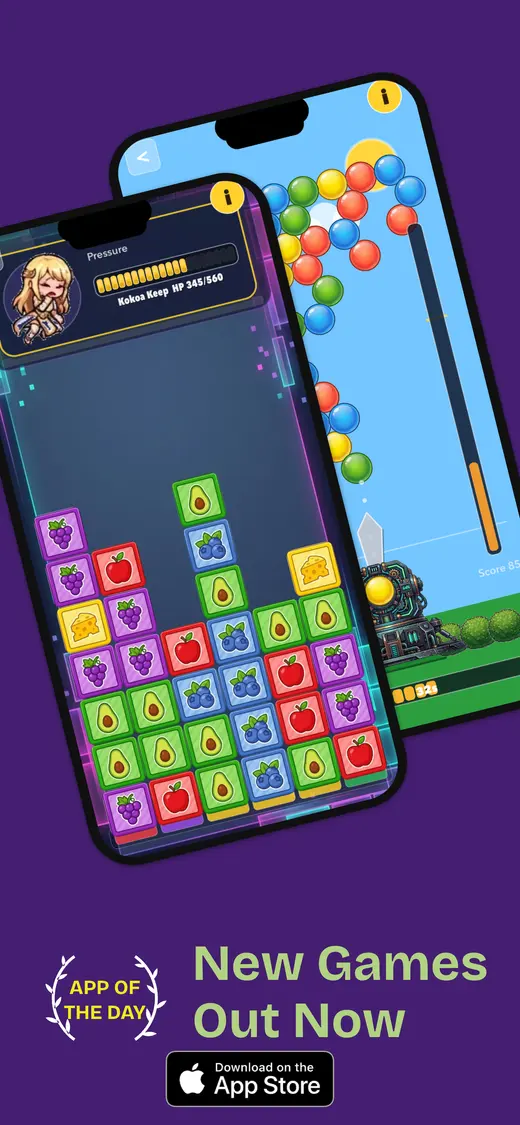
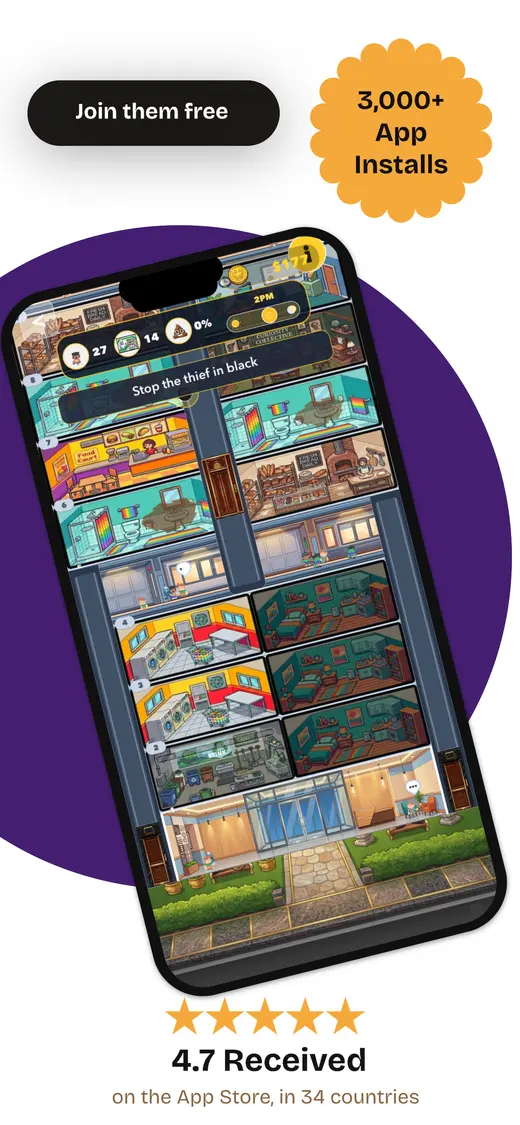
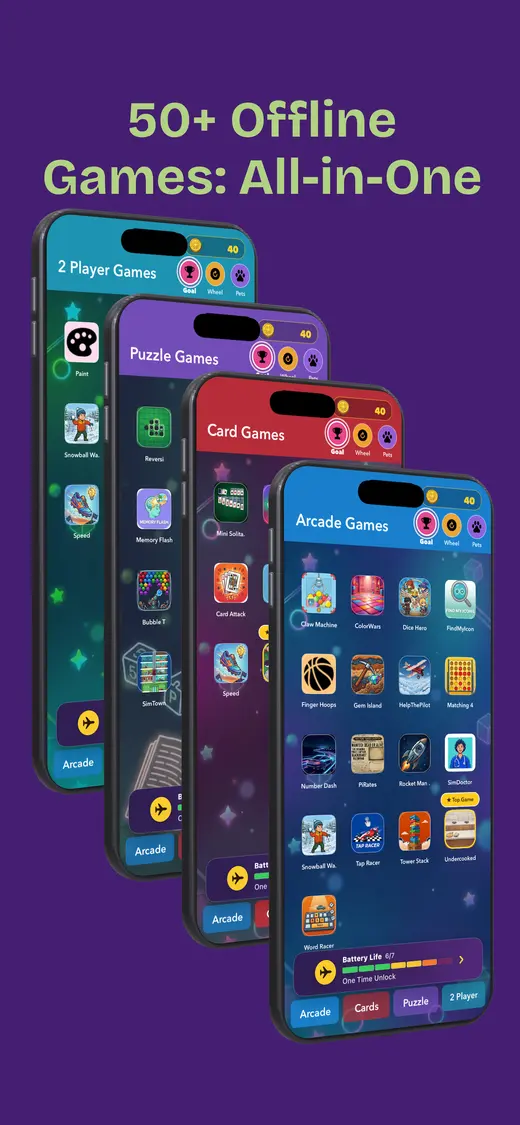
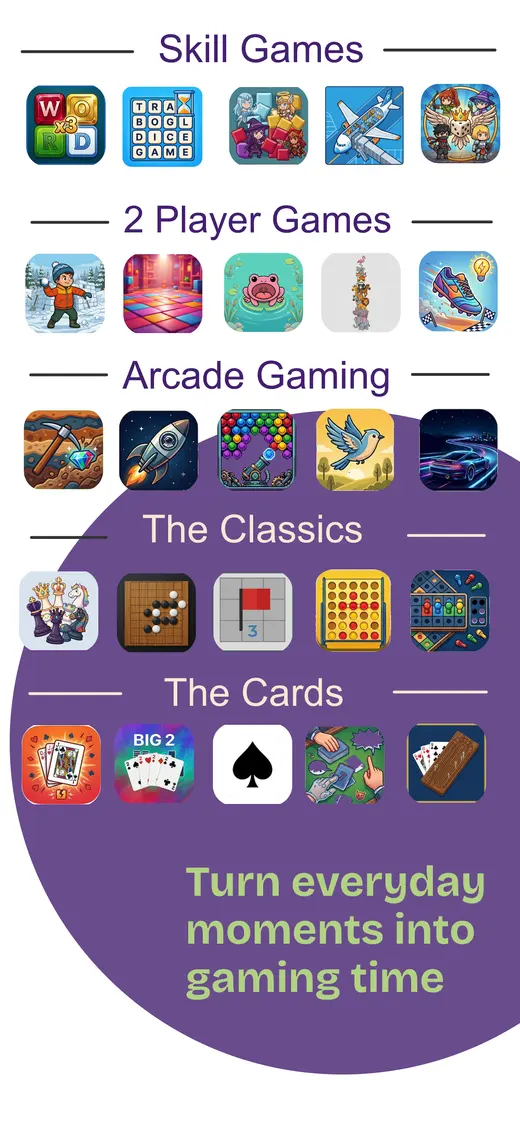
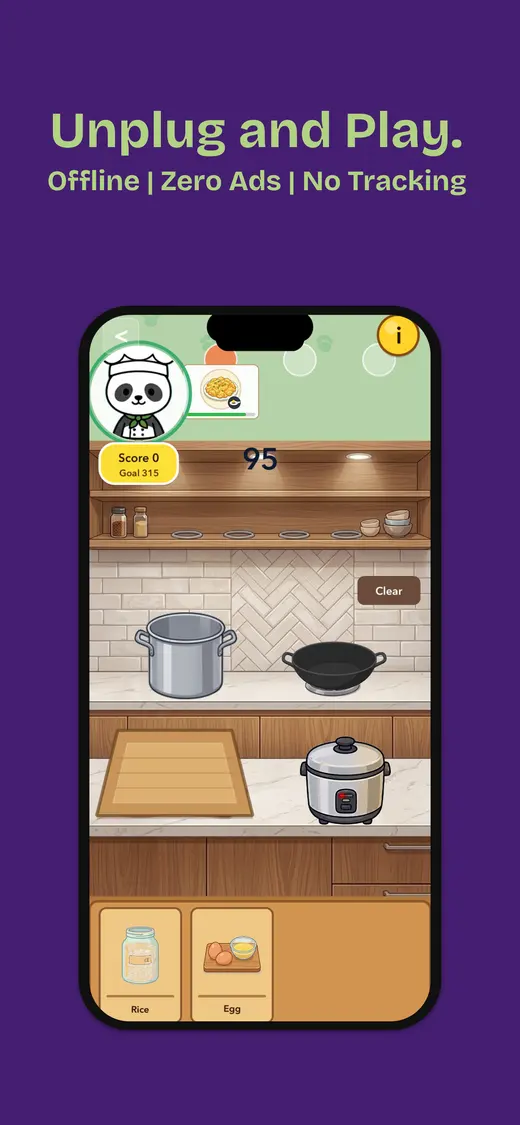
If you want quick games without an ad break, Fun Games for Flights is our iPhone mini-game collection. The App Store listing describes card, word, number, trivia, memory, reflex, pass-and-play, and family-friendly games. It says the games work offline after installation and that the app contains no ads.
The listing shows a free download with optional in-app purchases. The model is visible: install the collection at no upfront cost, then decide whether its optional paid unlock suits you.
- No ads, according to listing
- Offline after installation
- Solo, two-player, and group play
- Free download with optional purchases
A free game still has a business model
Mobile games earn revenue from downloads, ads, purchases, subscriptions, and combinations of them. Players can see the difference by checking what the store lists and what the game asks for after installation.
The word “free” can still describe a game you enjoy without spending money. It simply does not answer whether the game earns revenue from ads, paid extras, recurring access, or a mix. Knowing which one you are looking at makes the first download a more informed choice.
Common questions
Mobile game revenue, answered
How do free mobile games make money?
Free mobile games commonly earn revenue through advertisements, optional in-app purchases, subscriptions, or a mix of those models. Some games also use a free introductory version to sell a full unlock.
Do mobile games make money from ads?
Yes. Developers can earn when an ad is shown or when a player completes an advertised action. Rewarded video is an optional exchange; interstitial and banner ads can appear without a player choosing to watch them.
What are in-app purchases in mobile games?
They are paid digital items or access inside a game. Purchases can be temporary, such as extra lives, or lasting, such as a full-game unlock or cosmetic item. Some games sell randomized items.
Does free to download mean a game has no cost?
It means there is no upfront download price. The game may still include ads, paid content, recurring subscriptions, or systems that ask players to spend time watching ads.
Do mobile games sell players’ personal data?
An ad-supported game may collect information used for advertising, analytics, or product decisions. That does not by itself prove that the developer sells personal data. Check the store privacy disclosure and the game’s privacy policy for its stated practices.
Play on your terms